Photo de Sam pour l'événement Big Bang! And the Universe appears...

Big Bang! And the Universe appears...

And now I'm off on an adventure to the beginning of space and time!

13.8 billion years ago, the entire Universe was infinitely small, hot and dense. Fortunately, my space shuttle is able to withstand these extreme conditions!

Suddenly, the Universe expanded and cooled: the "Big Bang". 380,000 years later, it became cold enough for tiny bits of matter to form: atoms.

The same atoms that make up the matter that surrounds us!
Comment le sait-on ?

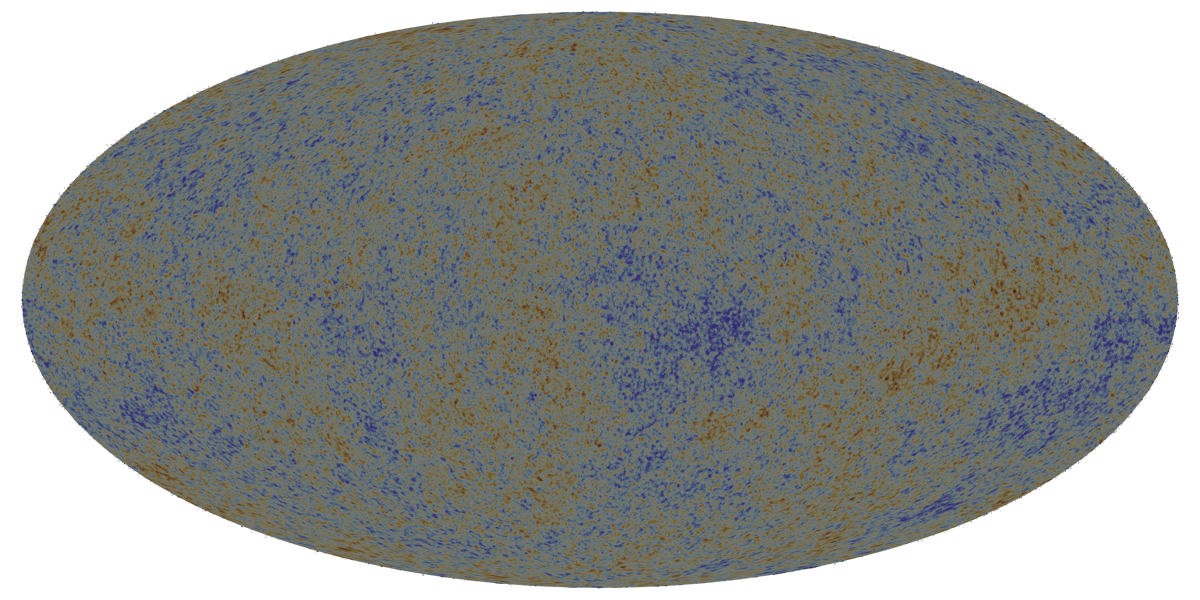
The Planck telescope has observed the entire sky in all directions. It has been able to capture the very first images of the Universe, at 380,000 years old. It is from this period that light began to propagate: we can't see yet any further.

Icône ampoule

All of today's elementary particles were already there 3 minutes after the Big Bang!


What are atoms made of?

Atoms are the small elements of matter that make up all the matter around us, whether gaseous, liquid or solid. They contain a nucleus with a positive electric charge, and electrons with a negative electric charge. Atoms are therefore electrically neutral. 

The most common chemical species in the Universe is hydrogen: it accounts for 74% of the mass of the Milky Way, our galaxy. This is the simplest atom: it has only one proton (the positive particle in the nucleus) and one electron. But the history of the Universe has seen the appearance of much heavier atoms: today, in its natural state, the heaviest atom is uranium. Its nucleus generally contains 92 protons and 146 neutrons, accompanied by 92 electrons! 
Photo de Sam pour l'événement A blast from the first stars

A blast from the first stars

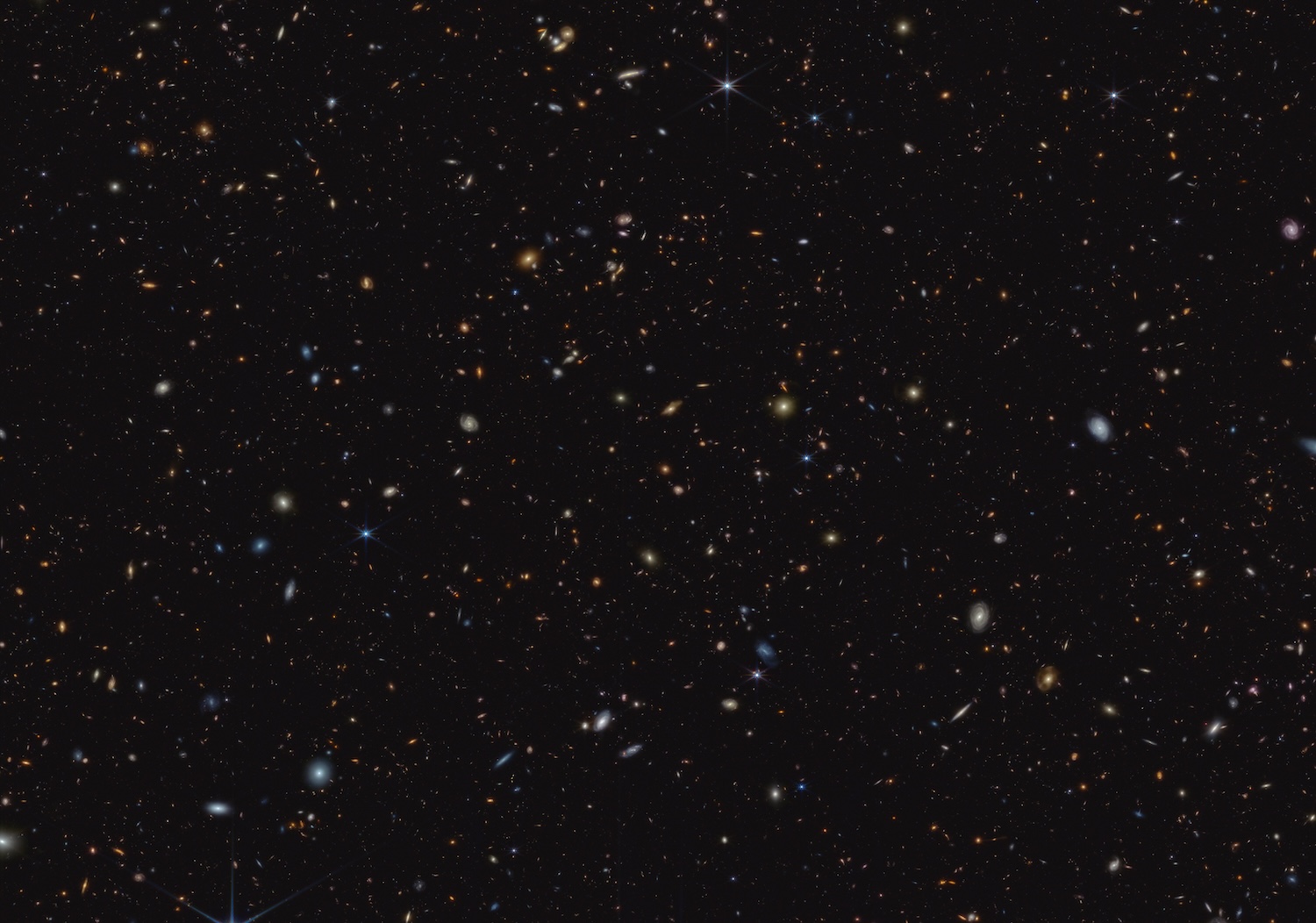
My shuttle brought me 150 million years after the Big Bang. I am now witnessing the birth of the first stars! Up to this point, space had been filled with nothing but hydrogen and helium. Under the influence of gravity, matter collapsed in on itself, forming immense disks.

These were the first galaxies and the first stars!

During these stars’ lives, hydrogen atoms fuse in their cores. Thanks to this fuel, stars radiate and produce chemical elements that will become important in the Universe’s history: carbon, oxygen...

Comment le sait-on ?

The James Webb Space Telescope is the largest telescope ever sent into space! It measures 6.50 m in diameter.

Icône ampoule

Most of the atoms that form the matter of your body were born inside stars!


How do the first stars die?

The first stars formed are the most massive that have ever existed. They have several hundred times the mass of the Sun! They have a life expectancy of just a few million years, because they use up their hydrogen at an incredible rate.

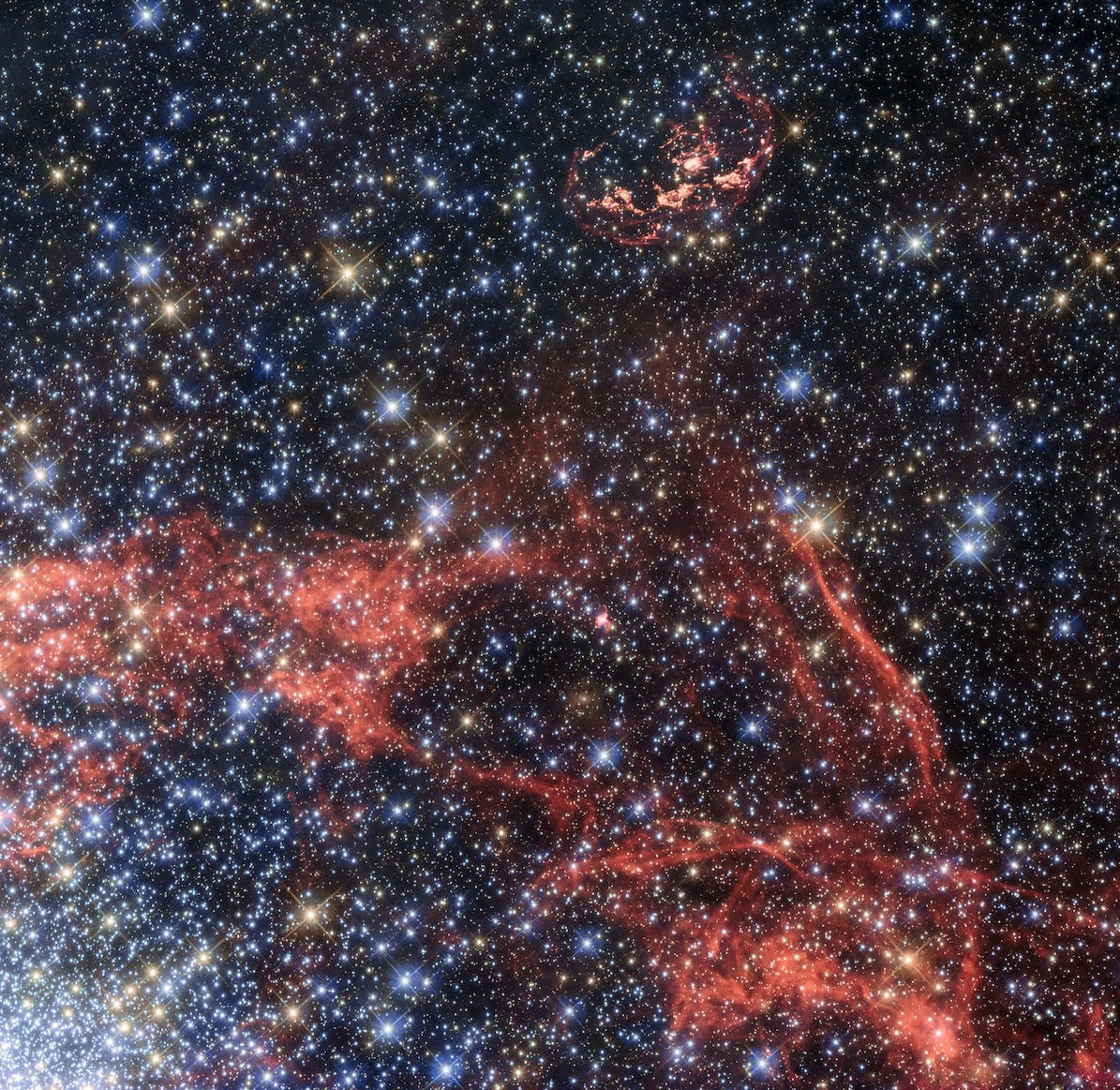
Once this fuel has been used up, they can no longer carry out fusion reactions. They lose their equilibrium, and their core collapses in a fraction of a second! The shockwave then creates a supernova, generating a fantastic ejection of matter into space.

The remaining dense core then collapses in on itself, as it is no longer able to counteract its own gravity. Its final fate may take the form of a neutron star or, for the stars that were originally the most massive, a black hole.

Photo de Sam pour l'événement Our Galaxy is born: the Milky Way!

Our Galaxy is born: the Milky Way!

Shuttle, stop your engines! Galaxy in the making!

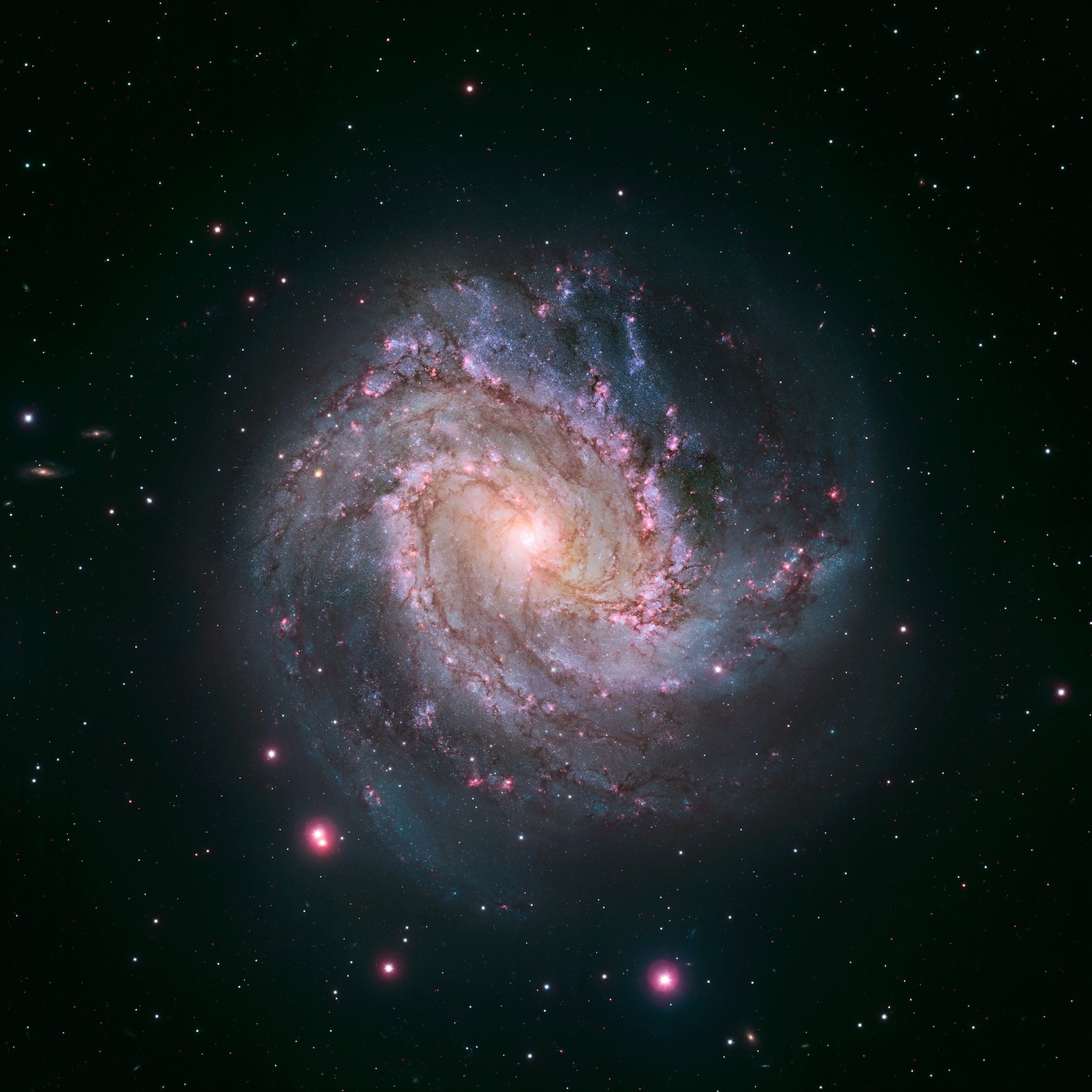
Before it became our Galaxy, it was an immense cloud of gas tens of thousands of light years long. At the time, it was made up of hydrogen and helium. Slightly denser than its surroundings, the cloud gradually concentrated due to forces such as gravity.

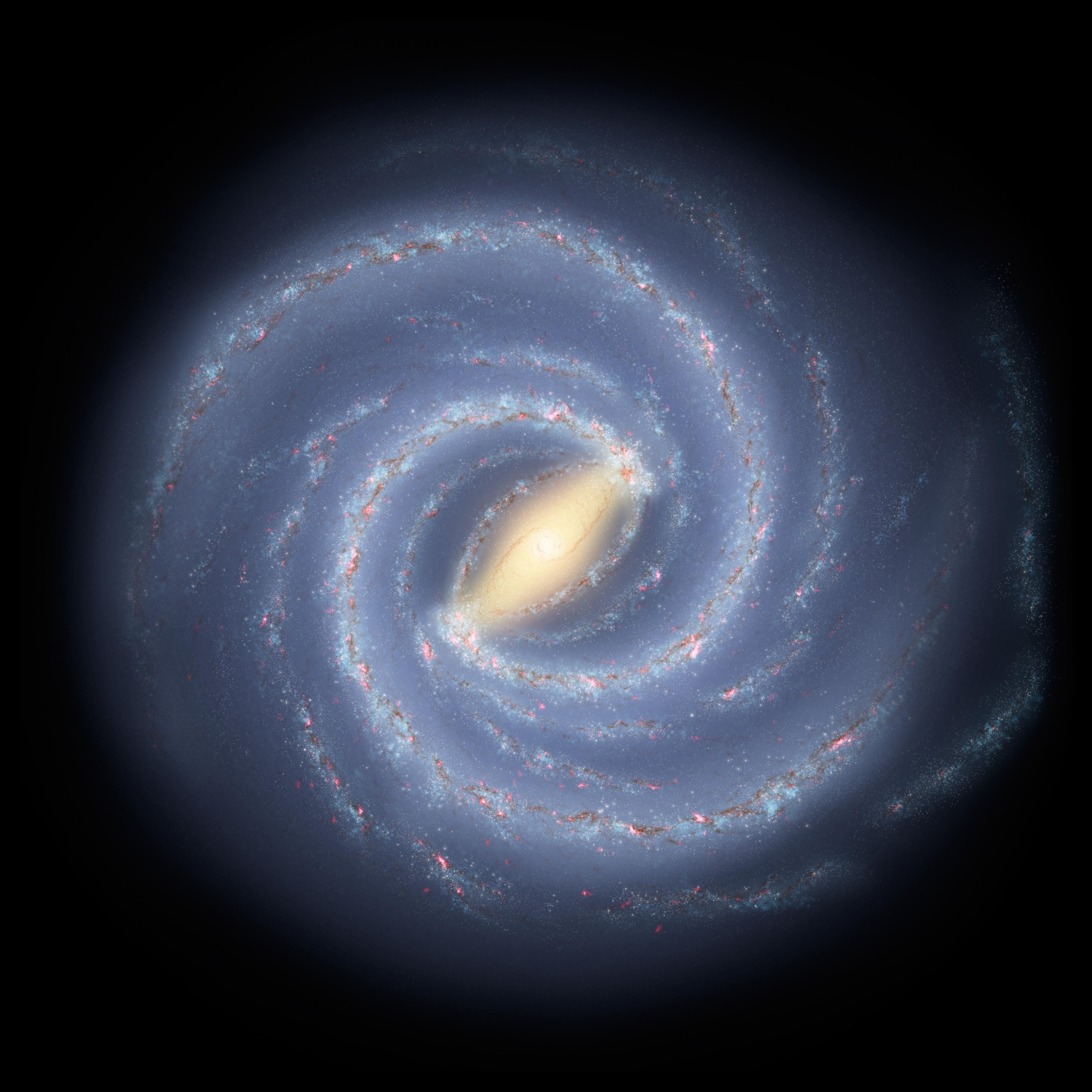
Now I can see it changing shape! The cloud takes on the flattened shape of a spiral disc, with a massive black hole at its centre... And there it is! 11.8 billion years ago, our Galaxy was born!

Shuttle, we're diving into the Milky Way. Head for the stars!

Comment le sait-on ?

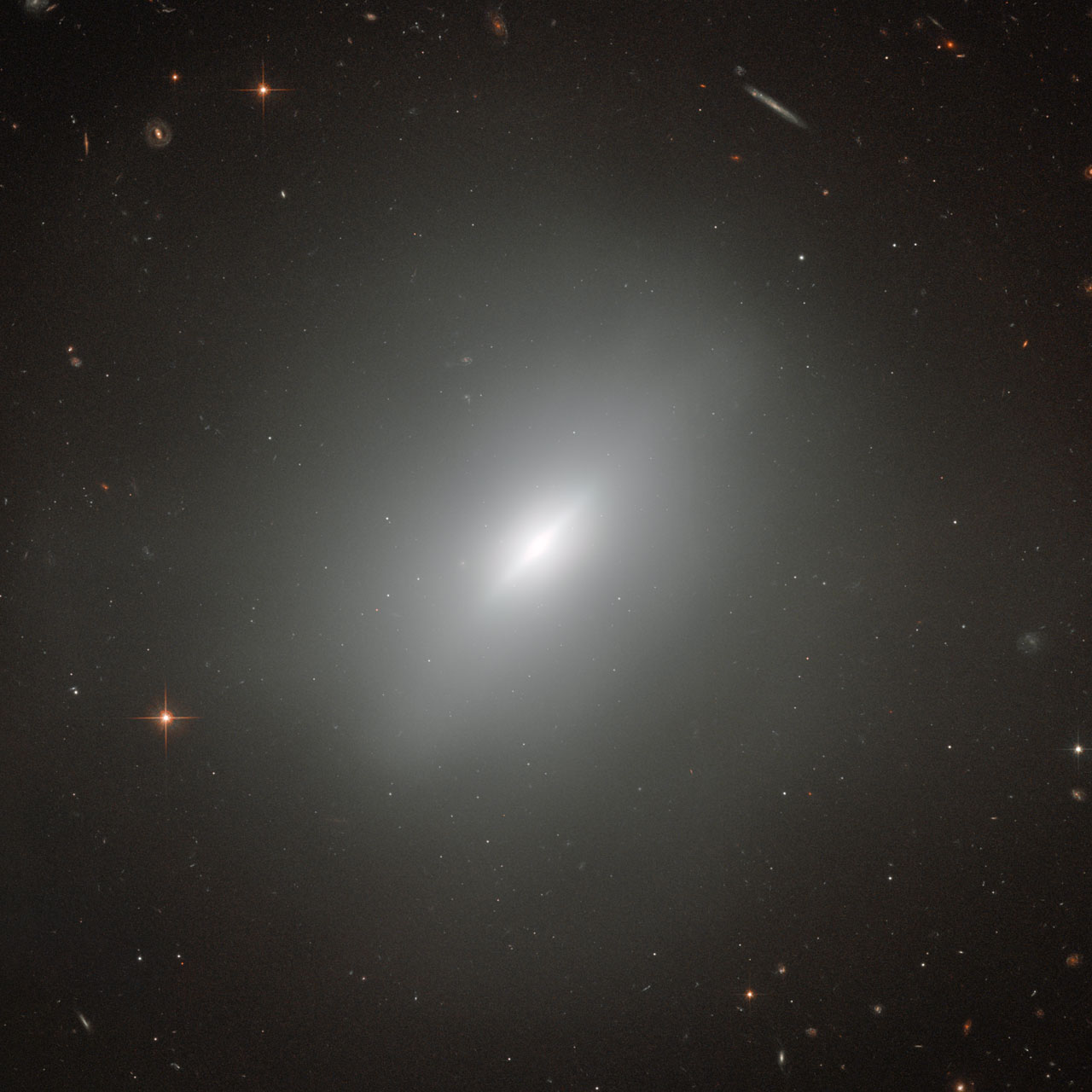
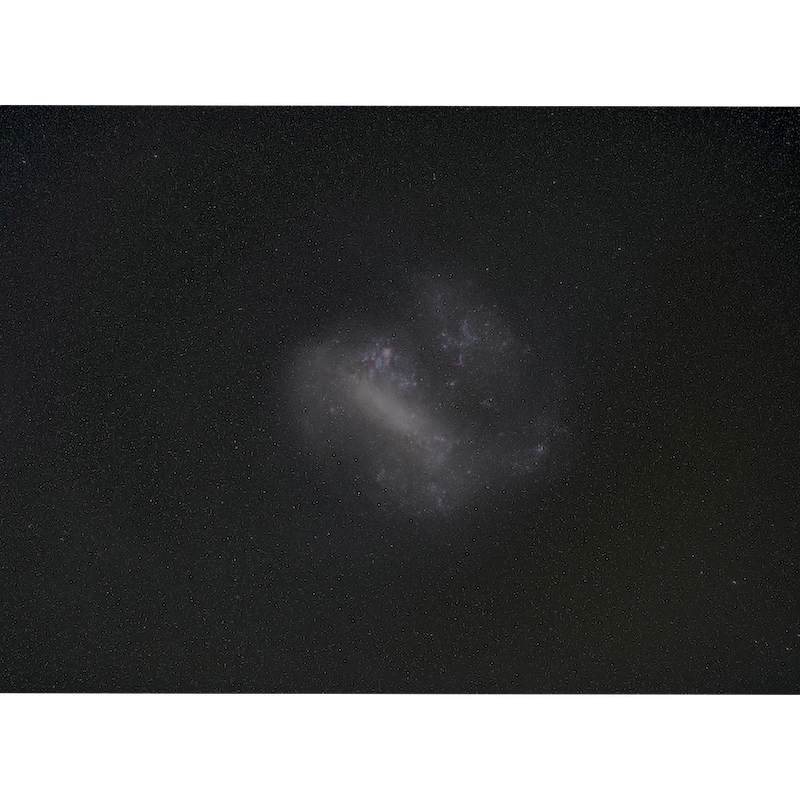
We can observe and classify galaxies according to their shape.


Why a spiral shape?

The areas of the Universe that will form galaxies are subject to several forces. Their own gravity causes them to condense. And they also rotate on themselves! So, the centrifugal force - the force that makes the passengers of a car feel like they are being thrown out of the car as it rounds a bend - pulls matter outwards.

When the matter of future galaxies condenses, it gradually flattens out and forms a disc. Inhomogeneities of matter remain within the disc. When the disc rotates, the areas that are denser than the others spread out: this is what gives rise to the spiral arms of galaxies like the Milky Way.

Photo de Sam pour l'événement A wide star colour palette

A wide star colour palette

Shuttle... Stop your engine! I'm taking a break from my adventure. In the cosmos, I see stars everywhere, but how can I tell them apart?

The big stars are hotter and brighter than the others, and can be identified by their blue colour.

Small red stars, on the other hand, are less bright. This gives them an advantage: they burn out very slowly. The life expectancy of the smallest stars exceeds the 13.8 billion years of the current age of the Universe!

Comment le sait-on ?

Annie Jump Cannon, an American astronomer, was the first to classify stars according to their colour, at the beginning of the 20th century.

Icône ampoule

The yellow Sun is a star of intermediate mass!


How are stars born?

Stars are born in the interstellar medium: a very cold, diffuse medium made up of 99% gas and 1% dust. It is almost empty, because it is billions of times less dense than air!

Under the effect of gravity, certain zones condense and become hotter. When the conditions of density and temperature are sufficient to initiate the fusion reactions of hydrogen nuclei, stars are born! When a star forms at the heart of a cloud of matter, a disc of gas and dust forms around it, giving rise to planets.

Generally, stars are born in clusters, as in the Pleiades cluster, visible to the naked eye.

Photo de Sam pour l'événement Planets around every star?

Planets around every star?

Shuttle? Hit the gas! Full speed ahead! 

Now that I'm hurtling through the Milky Way, I realise that most of the stars are accompanied by at least one planet! 

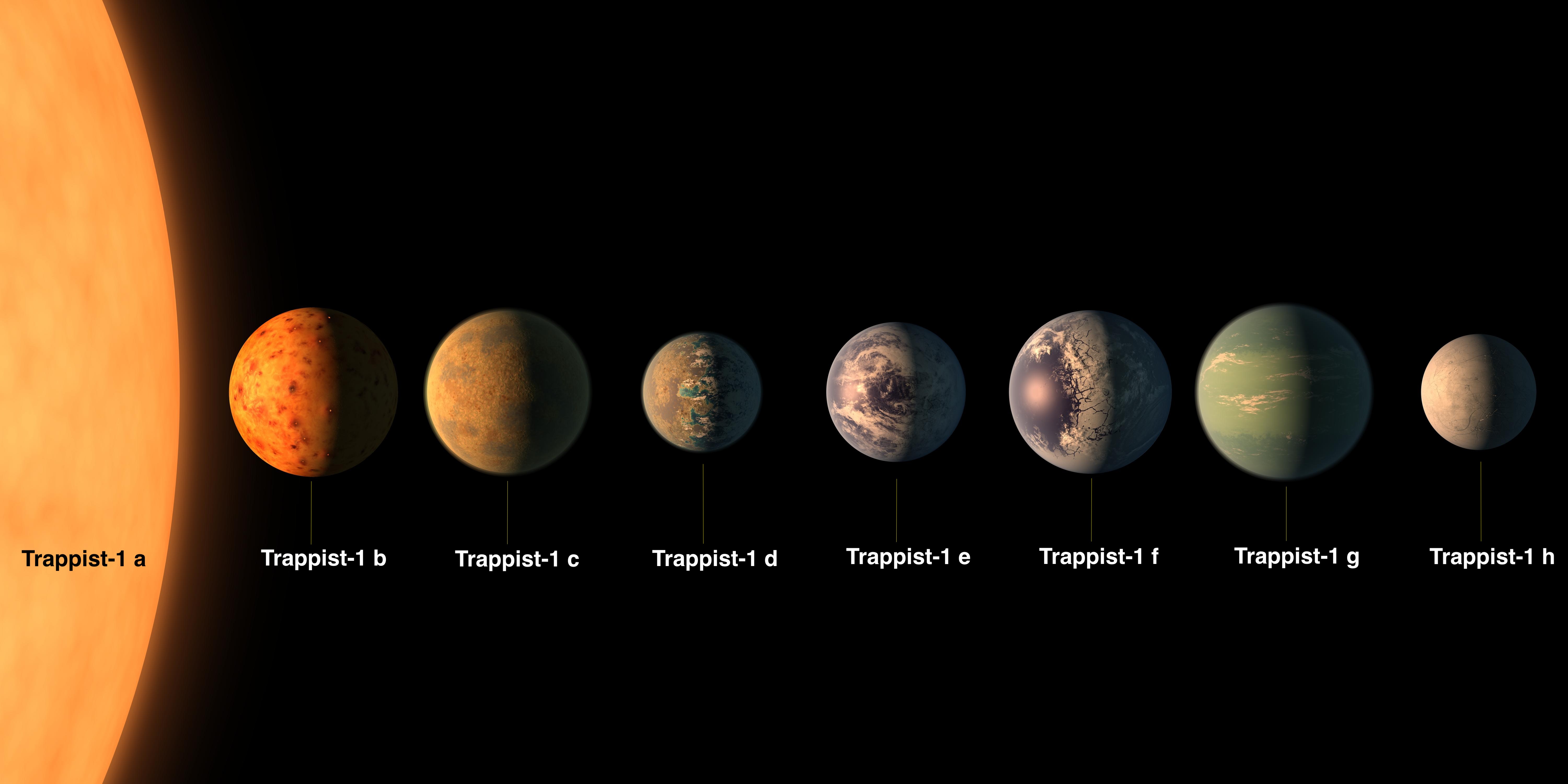
Many are rocky planets bigger than Earth. Others are gas giants orbiting very close to their star. The orbits of these exoplanets are often much more stretched-out than those of the planets in our solar system.

Sometimes I even see planets orbiting double stars, like Tatooine in Star Wars! I've heard my astronomer friends say that there must be ‘steam planets’ with thick atmospheres of water vapour. I've yet to see one...

Comment le sait-on ?

One way of detecting an exoplanet is to measure the drop in luminosity as it passes in front of its star.

Icône ampoule

Thousands of exoplanets have been detected, but so far none with conditions suitable for supporting life as we know it.


How to identify planets that could sustain life?

First of all, the planet must be neither too close nor too far from its star, so that liquid water can exist on its surface. It also needs a solid surface, an atmosphere compatible with life, and, of course, liquid water!

Then, for life to emerge, it must contain several essential chemical elements: carbon, hydrogen, nitrogen, oxygen, phosphorus and sulphur. And finally, it needs a sufficient source of energy, such as the radiation from its star. The ideal candidate has yet to be unmasked...

Current detection techniques make it possible to obtain information about the atmospheric composition and physical conditions of the planet under study, such as temperature and density. This could help identify possible candidates for the presence of life...

Photo de Sam pour l'événement Here comes the Sun!

Here comes the Sun!

At the origin of our solar system, there was just a cold cloud of gas and dust. Only 1% dust and 99% gas!

4.6 billion years ago, I can see it collapsing under its own mass... Its core is getting hotter and hotter, denser and denser... Fusion of the hydrogen nuclei is starting, releasing prodigious amounts of energy. Our Sun is born!

It attracts the remaining cloud to itself, and the cloud begins to spin around faster and faster... Like a ball of pizza dough twirling around at the tip of your finger, the cloud flattens out until it forms a disc in which the planets will form.

Comment le sait-on ?

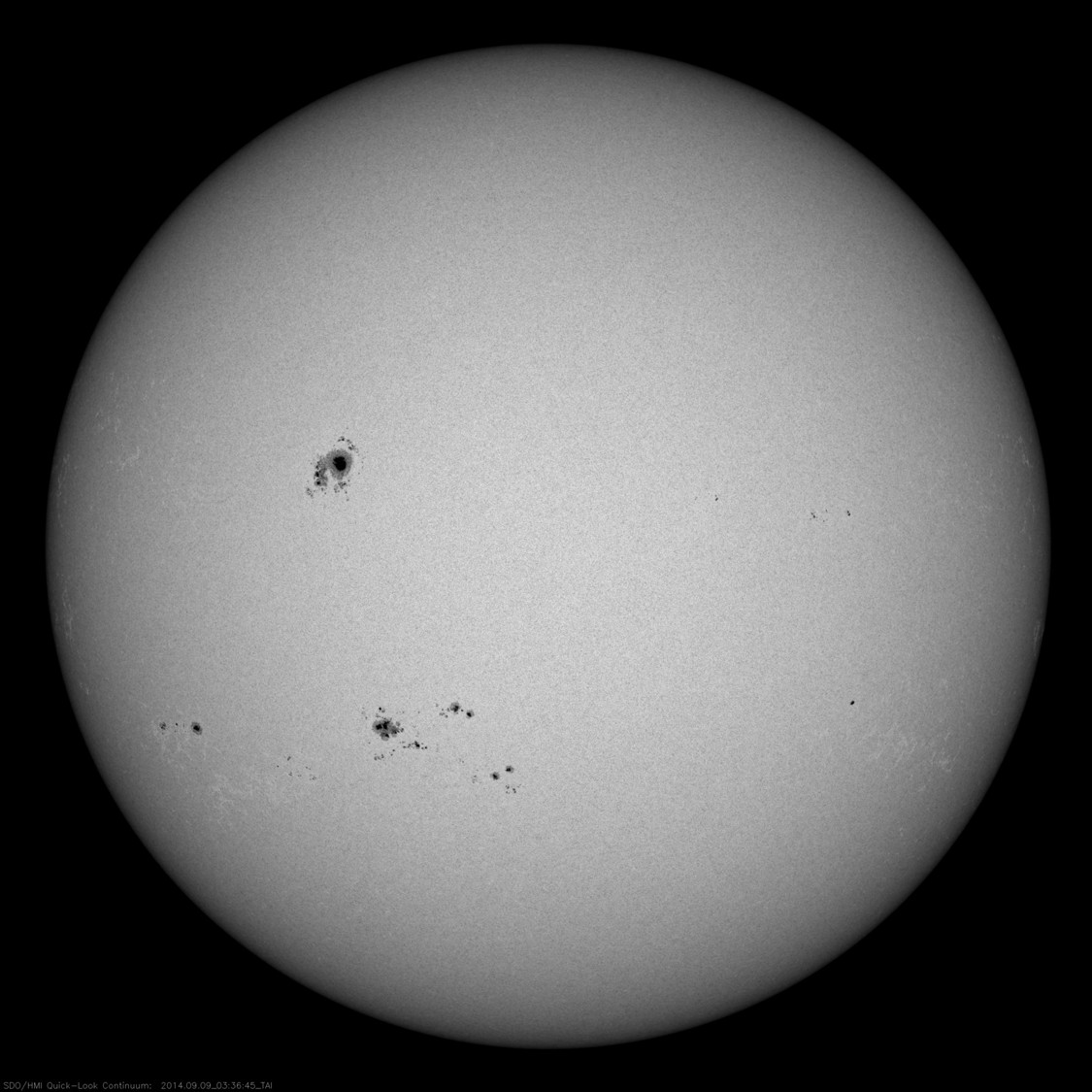
Captured in visible light by a satellite orbiting the Earth (SDO, NASA). Dark spots indicate colder areas where solar storms occur.

Icône ampoule

The Sun is now in the middle of its life: it will begin to turn into a red giant in about 6 billion years.


How does solar weather influence Earth?

From time to time, solar flares eject matter that travels to Earth. The particles are guided by the magnetic field that surrounds the planet, and plunge into the atmosphere, mainly at the poles: this gives rise to polar auroras.

More rarely, particularly violent solar flares can also disrupt electrical currents on Earth. In 1859, during a peak in solar activity, a major geomagnetic storm occurred. It caused a number of fires in telegraph stations, disrupted telecommunications and caused very intense auroras to appear, even in tropical regions!
Today, satellites monitor the Sun's activity to anticipate its possible consequences on Earth. It is possible to observe the Sun in real time on SDO.

Photo de Sam pour l'événement First planetary dance around the Sun

First planetary dance around the Sun

Dust particles the size of grains of sand are bumping into each other, sticking together, getting bigger, breaking apart... Solids are hitting my shuttle from all sides! Near the Sun, rocky bodies the size of mountains form: this is the first stage in the growth of planets. Shuttle: take me away from the Sun!
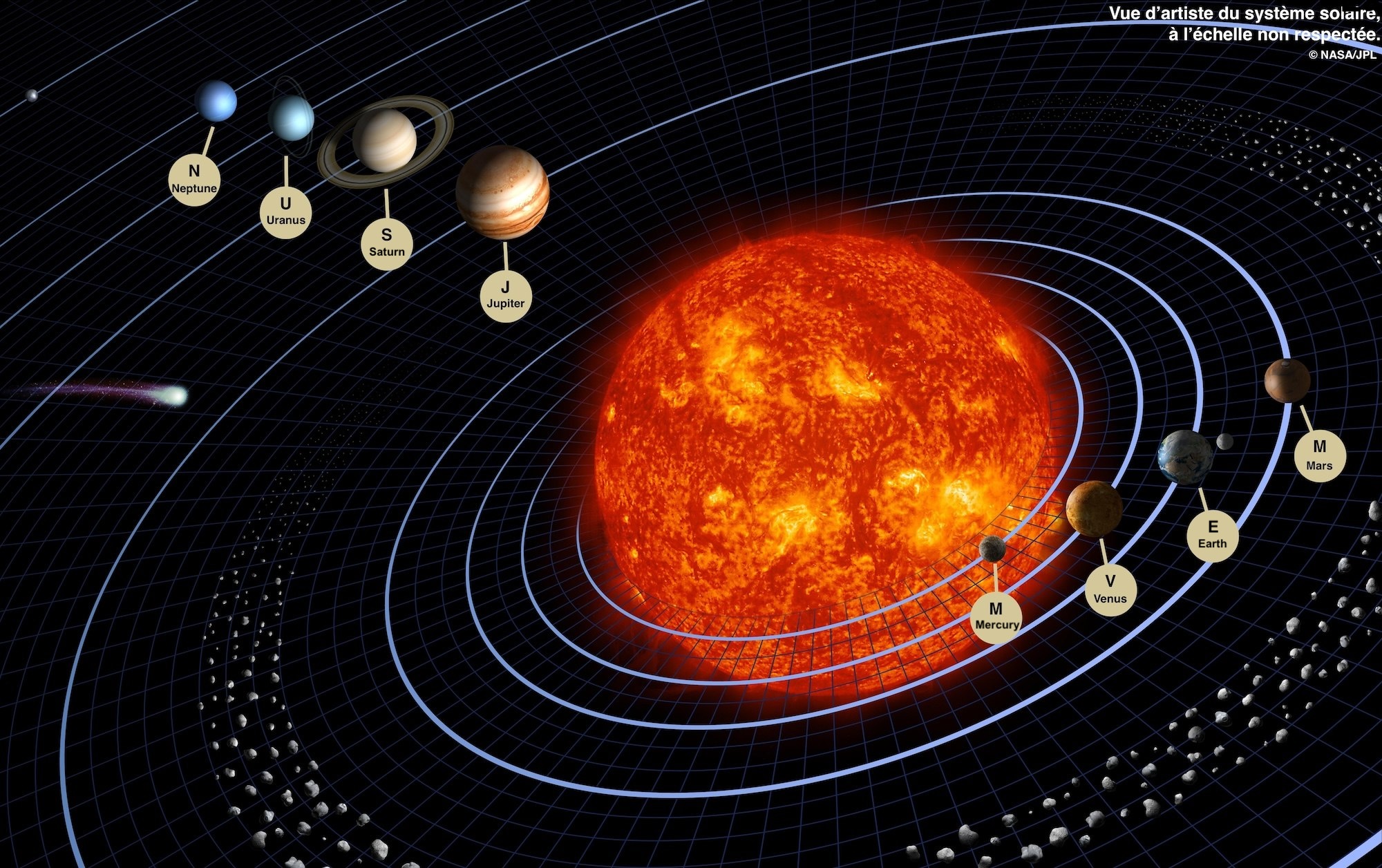
Here, ice agglomerates to form solid bodies. Some are so massive that they manage to retain gas and become giants. This is how Jupiter, Saturn, Uranus and Neptune were born!

Let's go back to the Sun. Four rocky bodies manage to absorb all the competitors in their orbit and grow to the size of planets: Mercury, Venus, Earth and Mars.

All in all, I'll have to wait 100 million years for the solar system to finally become stable!

Icône ampoule

Mercury, Venus, Mars, Jupiter and Saturn can be seen with the naked eye from Earth!


Where does water hide in the Solar System?

As soon as it is formed, the disc of matter surrounding the Sun contains water in the form of ice around grains of dust. Close to the star, in the zone where telluric planets are formed, heat sublimates the ice and dissipates the water found there. From the asteroid belt onwards, ice is protected from solar radiation. It is therefore abundant around grains of dust, but also in distant planets, their moons and comets! When ice is compressed under the effect of gravity, it liquefies and deep oceans form, as on Europa and Ganymede, two satellites of Jupiter.

Photo de Sam pour l'événement The Earth and its Moon

The Earth and its Moon

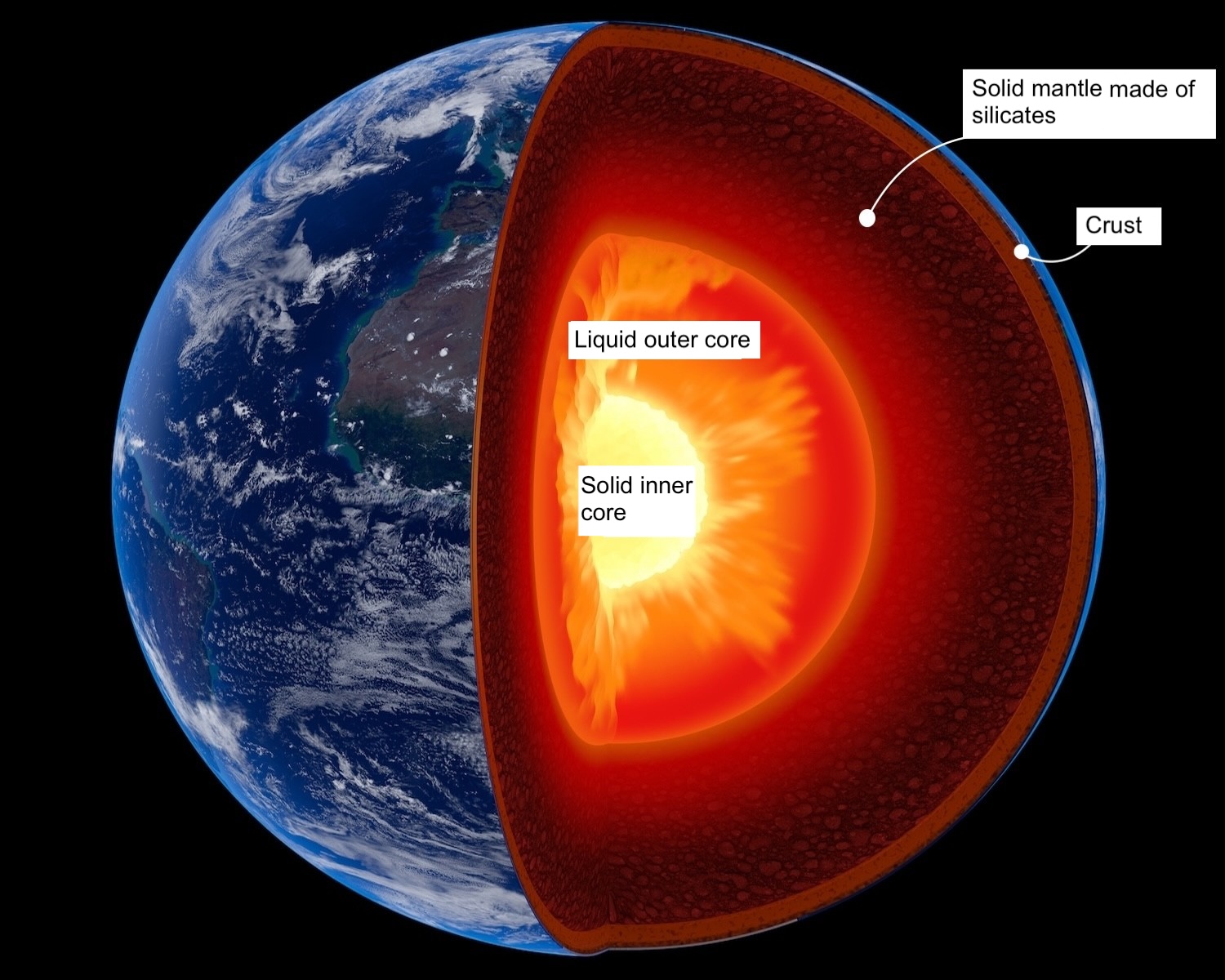
4.48 billion years ago, the planet was covered in cooling magma! At the centre of the planet, things are stirring: two metals, iron and nickel, are flowing to form the core. The core generates a magnetic field surrounding the planet.

Phew, that was close!

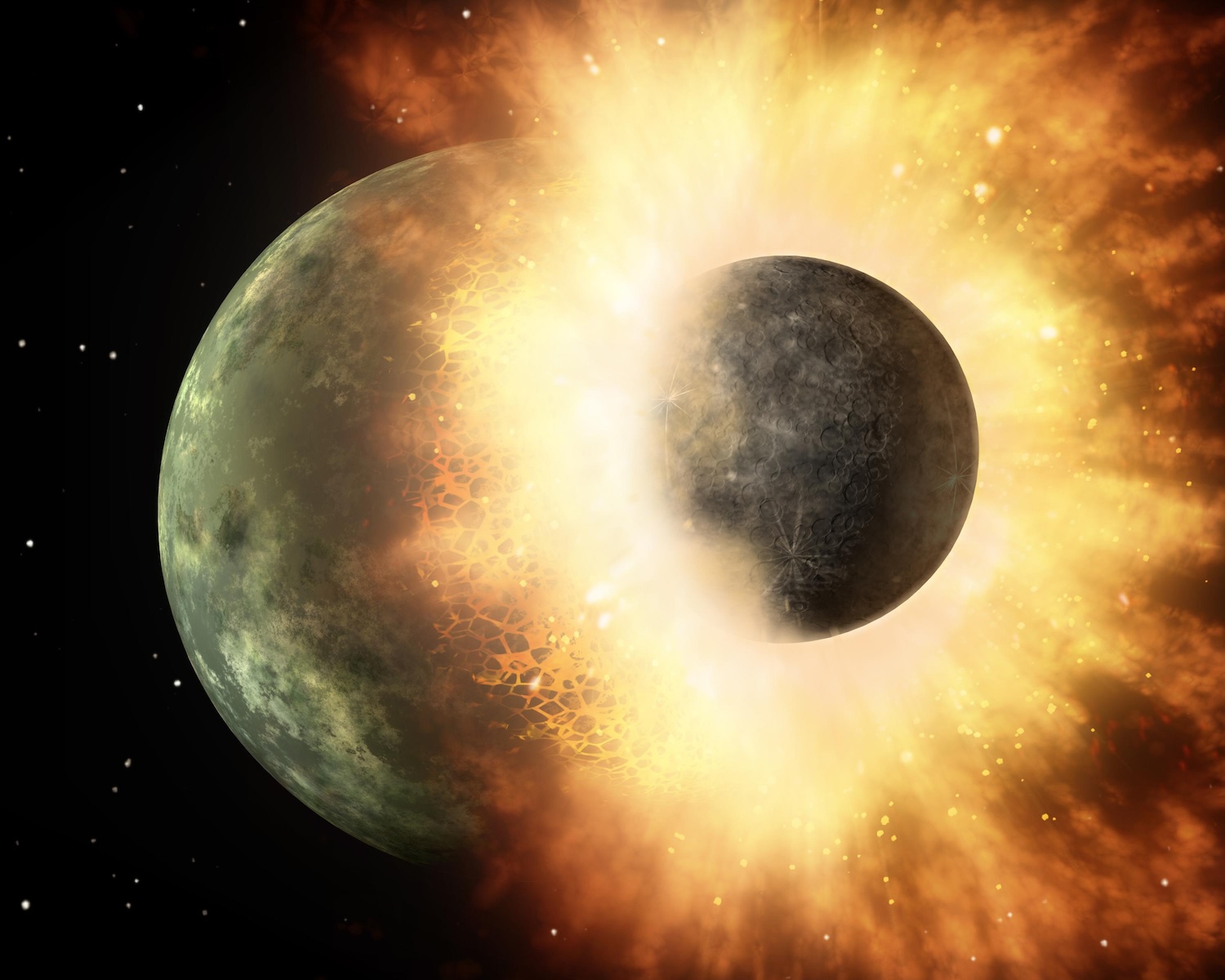
A giant bolide called Theia crashes into the planet! This enormous cataclysm spewed matter into space and melted the Earth's surface. It is now just a gigantic ball of lava that will gradually cool down... Meanwhile, the ejected matter forms a molten disc around Earth. Finally, I saw the disc coalesce into a single satellite: the Moon!


The Moon, cause of tides on Earth?

Earth's gravity keeps the Moon in orbit around the Earth. The Moon also exerts an attractive force on the Earth! Once Earth has acquired its oceans, this force causes tides that periodically raise the level of the oceans. When the Moon is full and new, its alignment with the Sun reinforces the phenomenon: the tides are much more pronounced than during the first and last quarters of the Moon.

The Moon moves away from Earth by 3.8 centimetres per year. As a result, tides on Earth become less pronounced over time...

Photo de Sam pour l'événement Rain alert!

Rain alert!

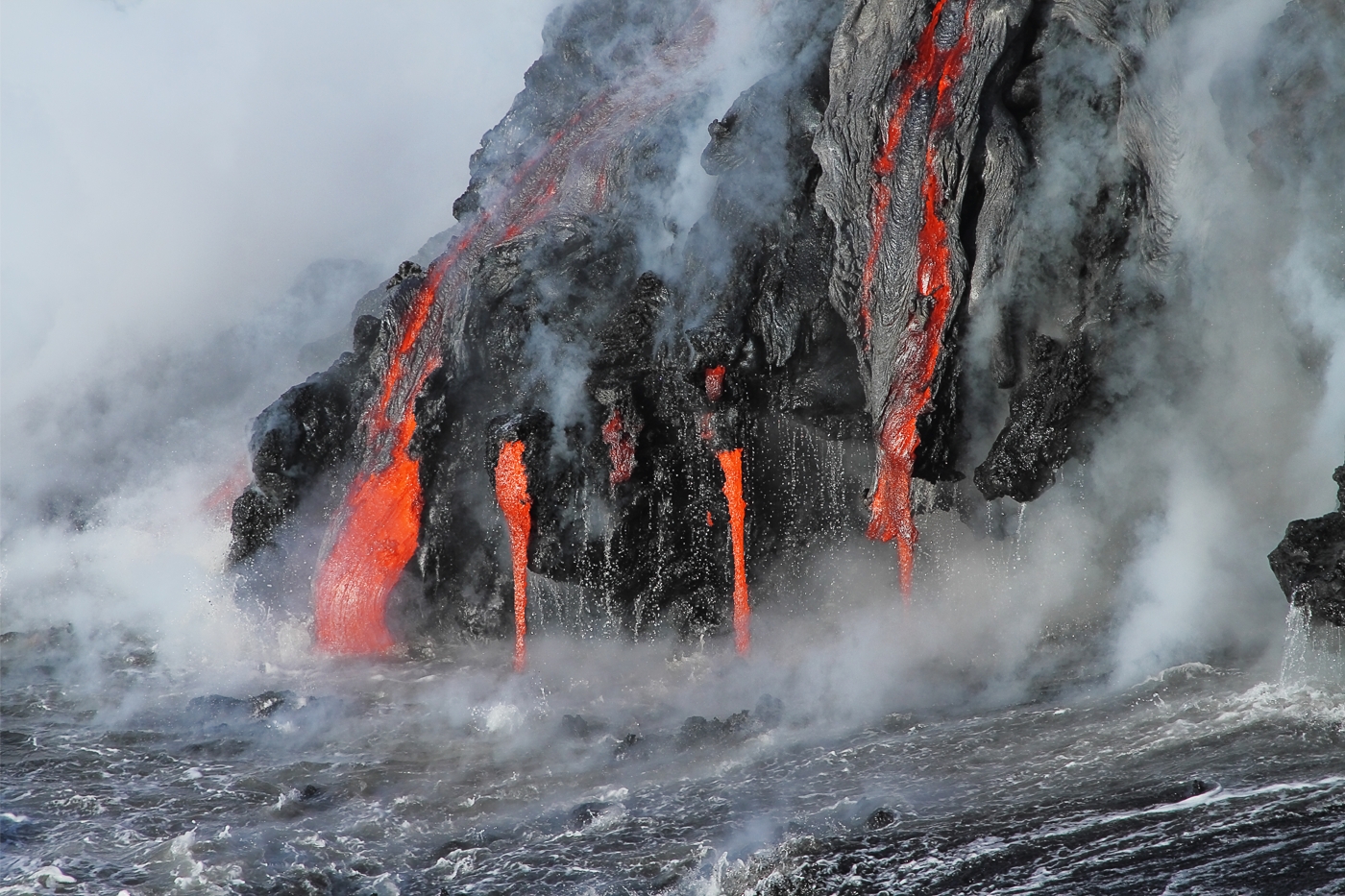
I've finally landed my shuttle on Earth! However, the environment is not calm: volcanoes are erupting everywhere! They release water vapour and gases trapped inside the planet's rocks. It’s creating the atmosphere and now it's raining cats and dogs!

The origin of this water is probably multiple. Most of the planet was formed from ‘dry’ rocky bodies. Some of their minerals contained hydrogen and oxygen that could react chemically to form water. Ice-rich asteroids formed further out in the solar system were also incorporated into the young planet.

The planet gradually cooled and the climate began to stabilise, creating favourable conditions for the emergence of life...

Comment le sait-on ?

To determine the origin of water on Earth, we compare the proportion of two types of hydrogen present in ocean water with the hydrogen in comets and asteroids.

Icône ampoule

It only took a few hundred years for the oceans to fill with water!


How does Earth become habitable?

Thanks to volcanism, the atmosphere and oceans form little by little. The planet is protected from solar wind by the atmosphere and the magnetic field generated by the liquid core. Also, plate tectonics stir up Earth's young crust: this recycling of matter has a major impact on carbon dioxide levels.  This process gradually stabilises the greenhouse effect: the climate is beginning to regulate itself!

Photo de Sam pour l'événement The first rocks and the first traces of life

The first rocks and the first traces of life

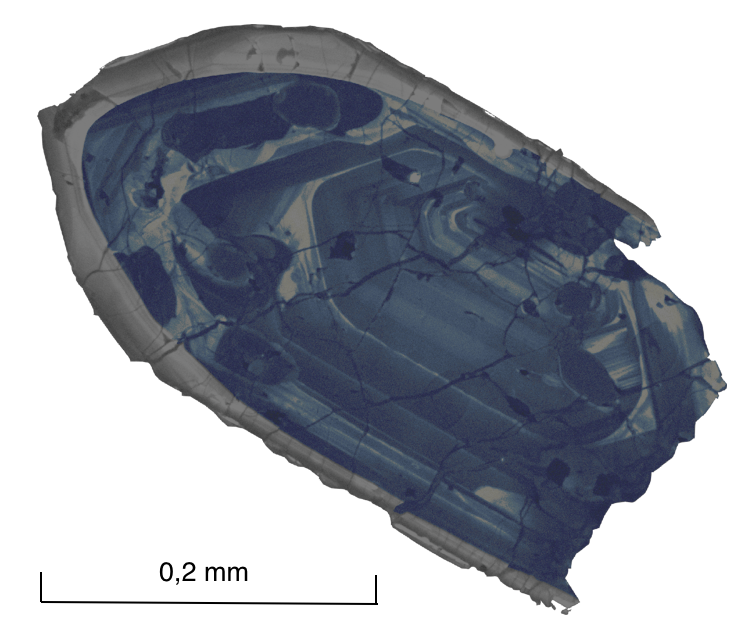
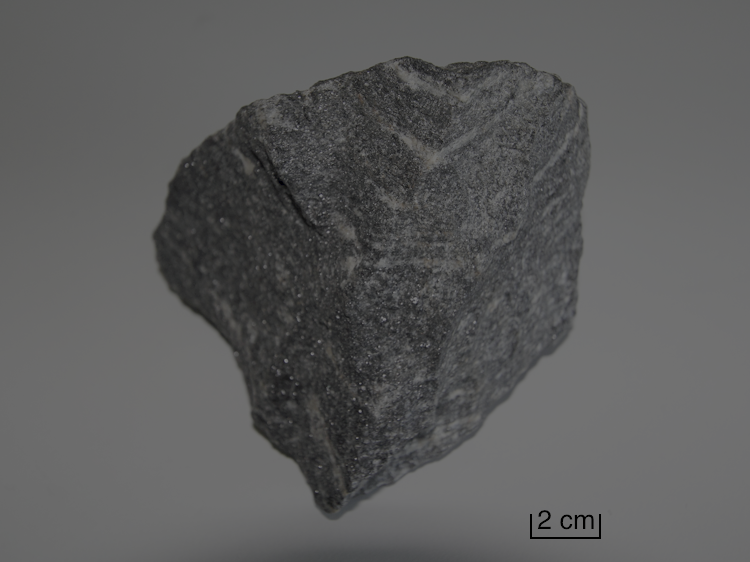
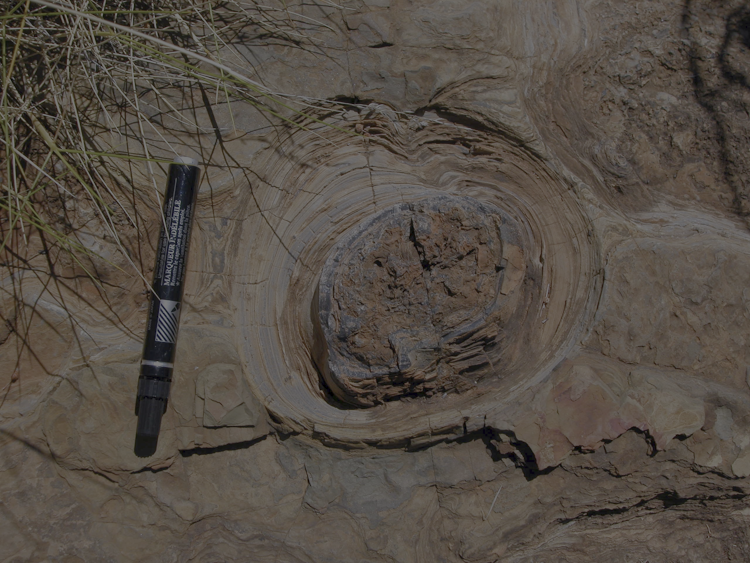
Geologists scour the planet for clues in rocks that help them to trace the appearance of liquid water, continents and life.

But as with any investigation, beware of misleading signs...

Sometimes certain clues lead to false conclusions. It's best to wait for scientists to agree before making any statements!

Comment le sait-on ?

The dating of rocks is based on the phenomenon of natural radioactivity. Certain chemical elements are radioactive and disintegrate over time. Decay always takes place at the same speed and can be used as a stopwatch. All that remains is for scientists to carry out an analysis of the chemical elements present in the rock to determine its age!

Icône ampoule

The oldest traces of life are dated to around 3.4 billion years ago, but evidence suggests that life may have existed as early as the appearance of liquid water 4.4 billion years ago.


Why are the first traces of life so controversial?

For traces of life to be proven, the rocks must be correctly dated, the reconstructed environment must be conducive to life and, finally, the traces observed must be verified as fossils of living organisms!

Microorganisms are so small that it is easy to confuse the traces and structures resulting from their activity with the products of purely chemical reactions. Small, rounded mineral precipitates can be indistinguishable from real microfossils! The problem is huge...

Photo de Sam pour l'événement The origins of life...

The origins of life...

I can't see much living matter on Earth yet... But the planet contains an essential ingredient for the appearance of life: so-called ‘organic’ matter, comprising carbon. This material is found almost everywhere in the Universe: in comets and asteroids, certain planets, the interstellar medium, etc.

To understand what's going to happen, I need to dive into the water... Shuttle: activate amphibious mode! In liquid water, organic matter reacts and reacts... until it forms large molecules like proteins, lipids or nucleic acids. They can organise themselves to form structures capable of evolving and reproducing!

This is when the very first autonomous living units are formed: cells!

Icône ampoule

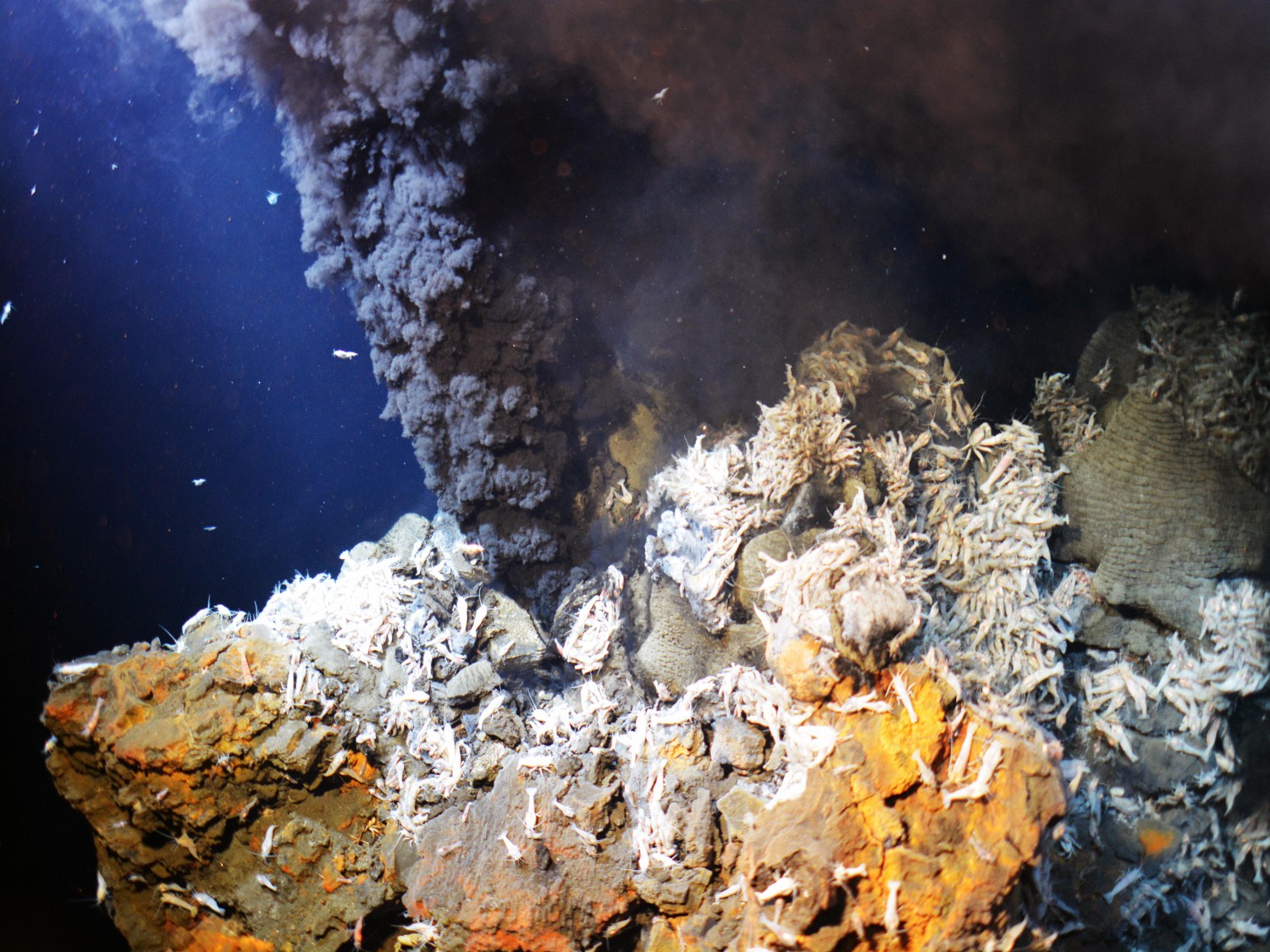
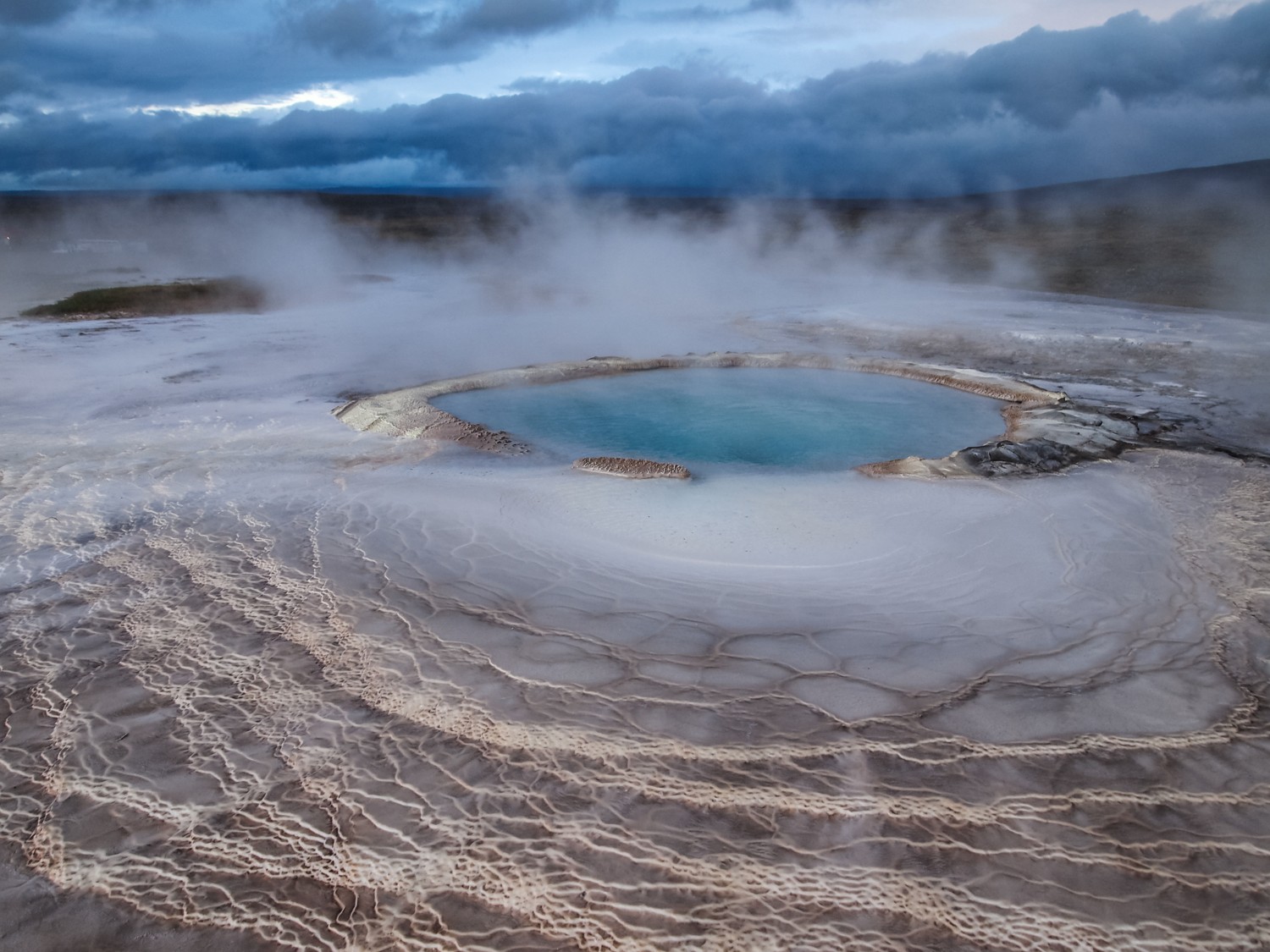
Life may have appeared at the bottom of the oceans or at the surface in warm little ponds.


How do we go from non-living to living?

It took a long time for this question to be accepted as a scientific one. Today, however, it is certain that life has appeared somewhere. Is it the result of an infinitesimal and non-reproducible chance event, beyond the reach of the scientific approach? In order to make a decision, scientists lack a description of what defines the living state and the laws that drive it in physico-chemical terms, beyond the molecules that make it up, or even highly simplified models.

However, research on the origins of life is progressing in different directions, based on different hypotheses. Depending on the case, research focuses on the chemical nature of biomolecules such as nucleic acids, amino acids or membrane components, or on the environment that could be responsible for the appearance of life, such as hydrothermal vents. Other avenues focus on the systemic and dynamic aspects of life, resulting from interactions between multiple components. This translates into studying the link between life and energy use, and its non-equilibrium nature, which is essential to consider the possibility of self-organising systems.

To assess the respective contributions of the different research avenues to this fundamental question, we will have to wait until a solution is found and accepted by the scientific community...

Photo de Sam pour l'événement Our common ancestor appears on Earth!

Our common ancestor appears on Earth!

Today on Earth, there are animals, plants and above all micro-organisms that are invisible to the naked eye, such as bacteria and archaea... They are so diverse! But did you know that they are all related?

They all share certain characteristics that are essential to their functioning. For example, genetic information written on a DNA molecule. So, you're all part of one big family!

And if I go back far enough in your family tree, I can reconstruct a single ancestor that you all share, who had just one cell. It is known as LUCA, for Last Universal Common Ancestor.

It lived between 4.3 and 3.4 billion years ago!

Comment le sait-on ?

To reconstruct the portrait of the common ancestor of all living things, we look for ‘degrees of kinship’ between them by analysing their DNA!

Icône ampoule

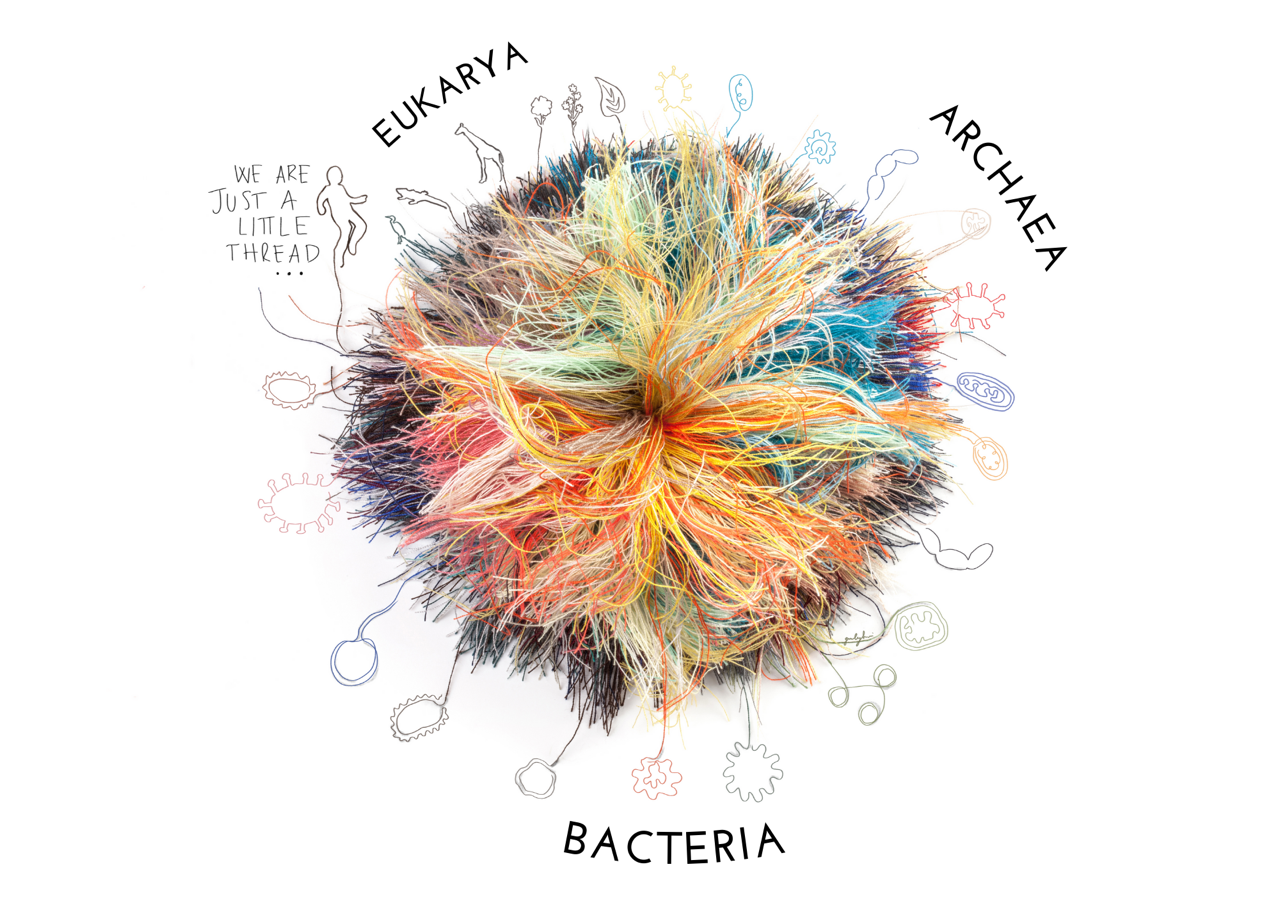
After LUCA, we can distinguish three major lineages of living organisms: bacteria, archaea and eukaryotes!


How do living things evolve?

Certain characteristics in organisms emerge by chance. How to know if they are advantages or disadvantages? The environment decides! If these characteristics can be passed on to other organisms, particularly those of the next generation, those that are advantageous will be maintained over time, while the others will disappear. This is natural selection. After LUCA, three major lineages of living organisms emerge: bacteria, archaea and eukaryotes. 

Bacteria are the most abundant and diverse living beings on the planet. They live in almost every type of environment: seawater, soil, sediment, on our skin, in our intestines... and even deep in the earth's crust!

Archaea are small cells that resemble bacteria, but they are much more resistant. They beat all records for adaptation to extreme environments: some live in boiling hot springs, others in salt or even acid!

Photo de Sam pour l'événement Continents in the middle of the ocean

Continents in the middle of the ocean

Earth is no longer as hot as it was when it was born: it's getting older!

All I can say is that the landscape has changed! Before, small plates divided the planet’s surface. But 2.7 billion years ago, they cooled, stiffened and came together to become larger. I can see a gigantic conveyor belt system taking shape, recycling material from the mantle and crust.

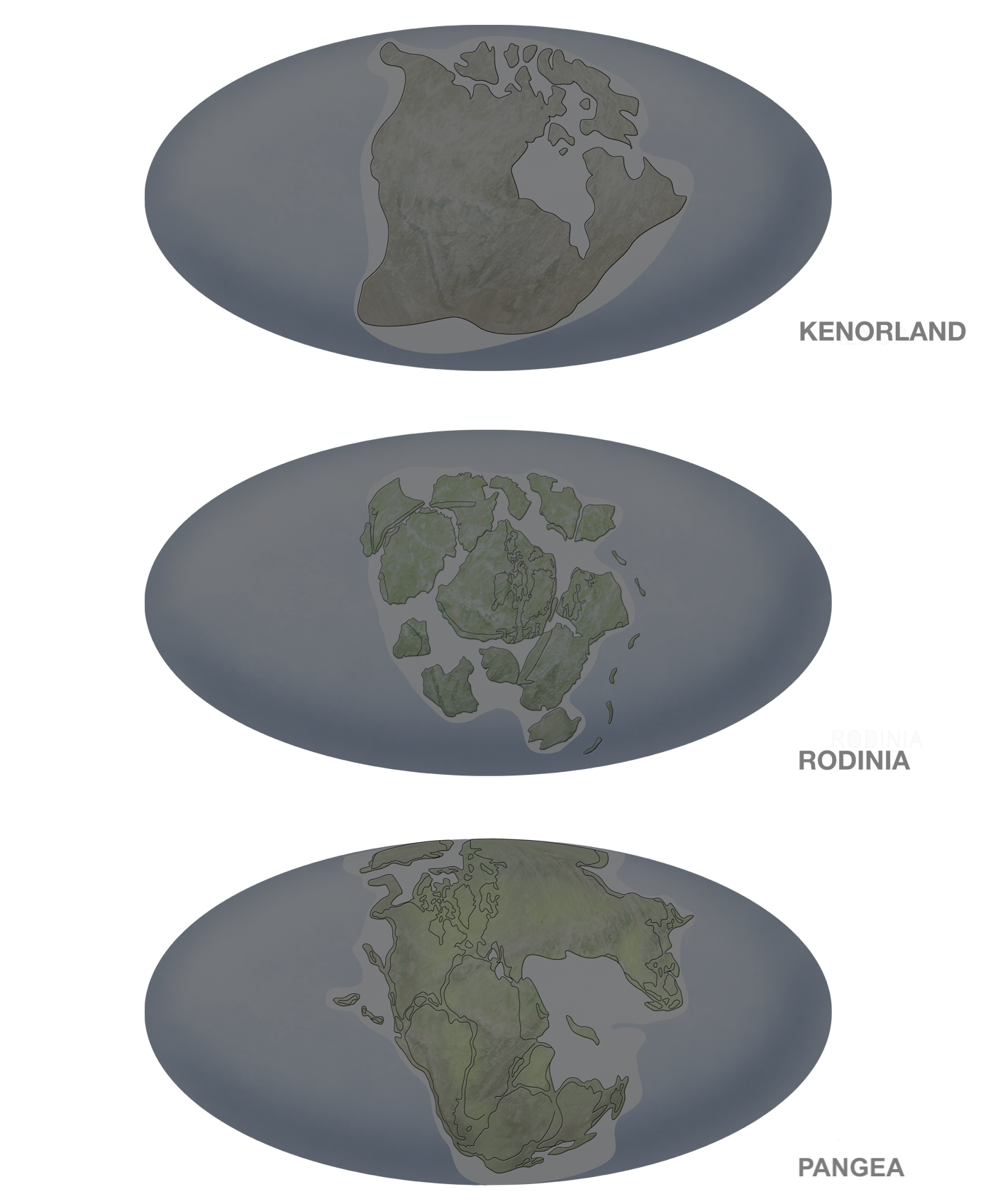
Earth’s surface is constantly being reorganised. 2.7 billion years ago, the land masses came together in a single supercontinent called Kenorland. It then fragmented and reassembled into another supercontinent called Columbia. This was followed by Rodinia.

The last supercontinent to form was Pangea, 300 million years ago.

Comment le sait-on ?

We use GPS to measure the speed at which the continents are moving. This speed is around 5 cm per year.

Icône ampoule

The current layout of our continents is just one moment in a cycle: in a few hundred million years, a new supercontinent will appear!


How are continents formed?

Earth is cooling down: this is changing the way continents are made from now on. The very hot water rising from the deep basalts of the oceanic crust is now responsible for the formation of the continents. Basalts are volcanic rocks that line the bottom of the oceans and sink into Earth's mantle. The hot water that comes out melts the mantle into magma, which then becomes new continental crust.

Photo de Sam pour l'événement Finally, some oxygen to breathe!

Finally, some oxygen to breathe!

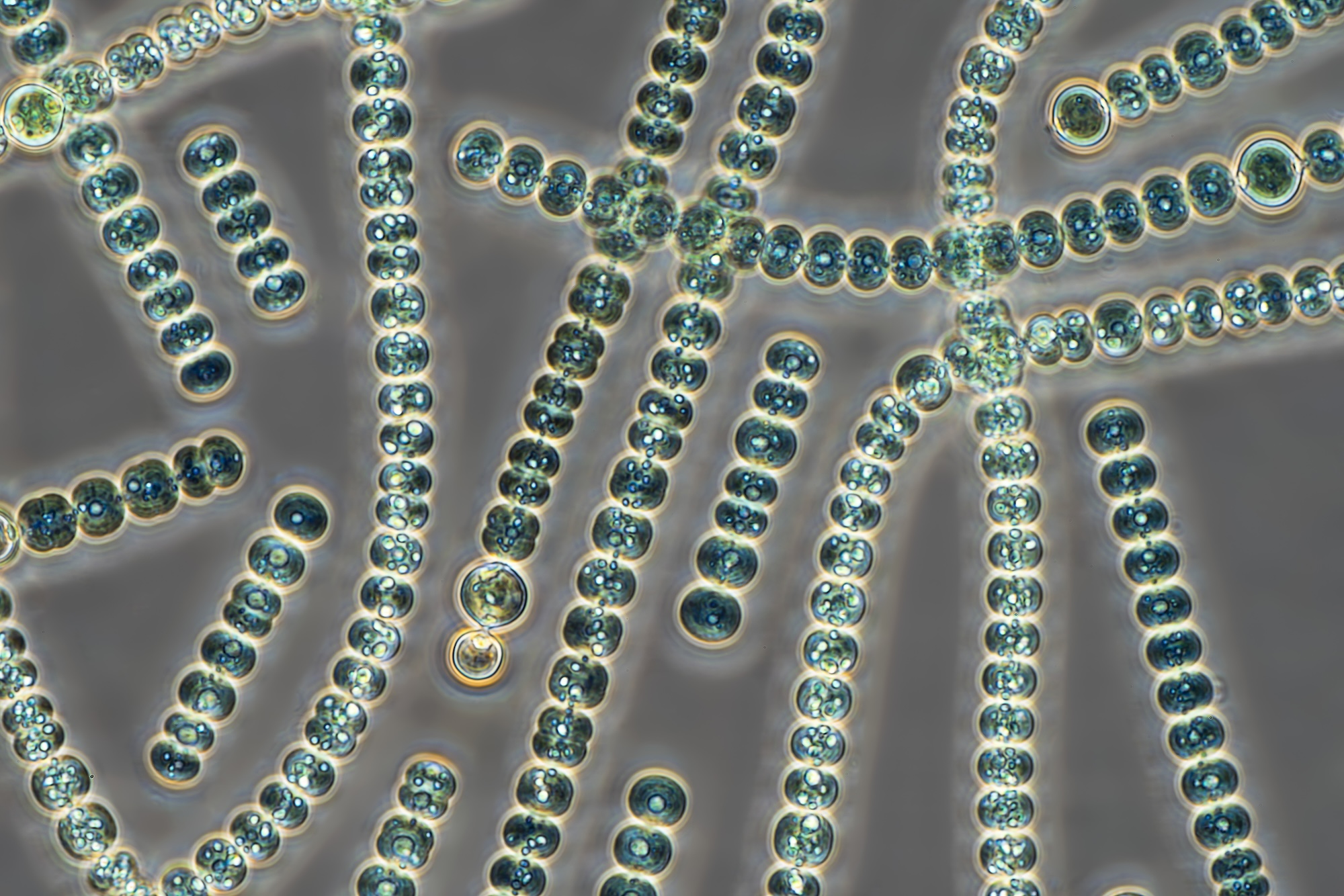
Shuttle? Complete an overflight of the planet. Do you see blue-green dots everywhere too? In freshwater, saltwater, on the surface...

I can see colonies of cyanobacteria all over most of the planet! Cyanobacteria are capable of photosynthesis: they use atmospheric carbon dioxide and water to produce the matter of which they are composed, using light energy from the Sun. They then release massive quantities of oxygen.

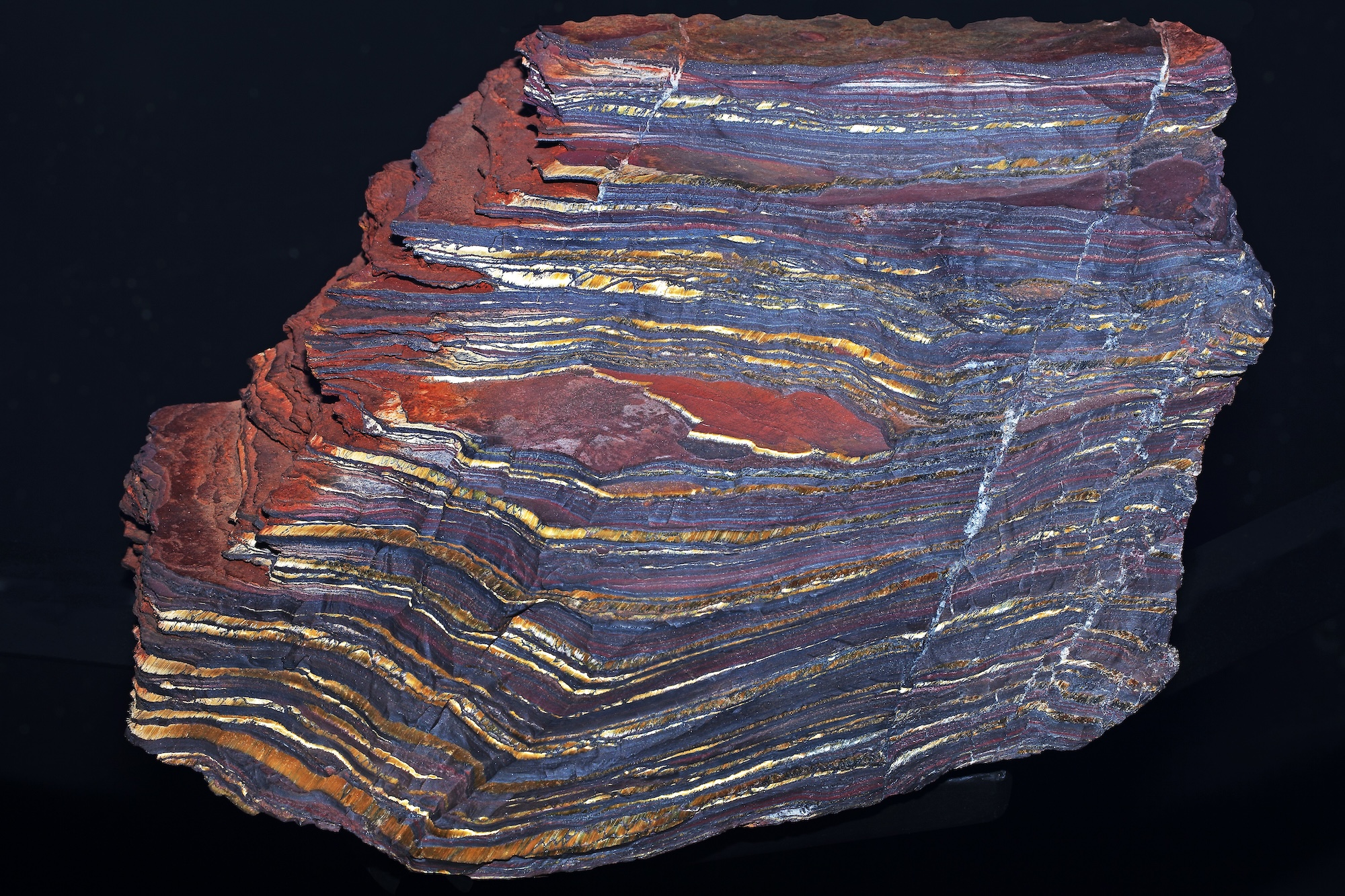
This ‘Great Oxygenation Event’ turned Earth upside down! Oxygen, a particularly reactive chemical element accumulated in the oceans, oxidises the iron contained in the rocks. All the iron deposits turn red! Then, oxygen concentrates in the atmosphere... But it’s toxic to the many organisms living on the planet at the time! An ecological change is on the horizon, with species able to breathe oxygen...

Comment le sait-on ?

We have been able to reconstruct and date this ‘Great Oxygenation Event’, which changed the history of Earth, from oxidised rocks and minerals.

Icône ampoule

Today, cyanobacteria are responsible for half of the absorption of carbon dioxide by photosynthesis.


Oxygen: an energy source for the evolution of species?

As soon as it accumulated in the atmosphere, oxygen was a poison for most living species. But they eventually adapted. Either by taking refuge in protected environments, or... by becoming able to breathe it! During respiration, oxygen reacts with organic carbon, releasing tremendous energy for the cellular machinery, provided cells know how to protect themselves from it. This is the beginning of a diversification of living organisms, allowing multi-cellular organisms to appear...

Photo de Sam pour l'événement The snowball Earth

The snowball Earth

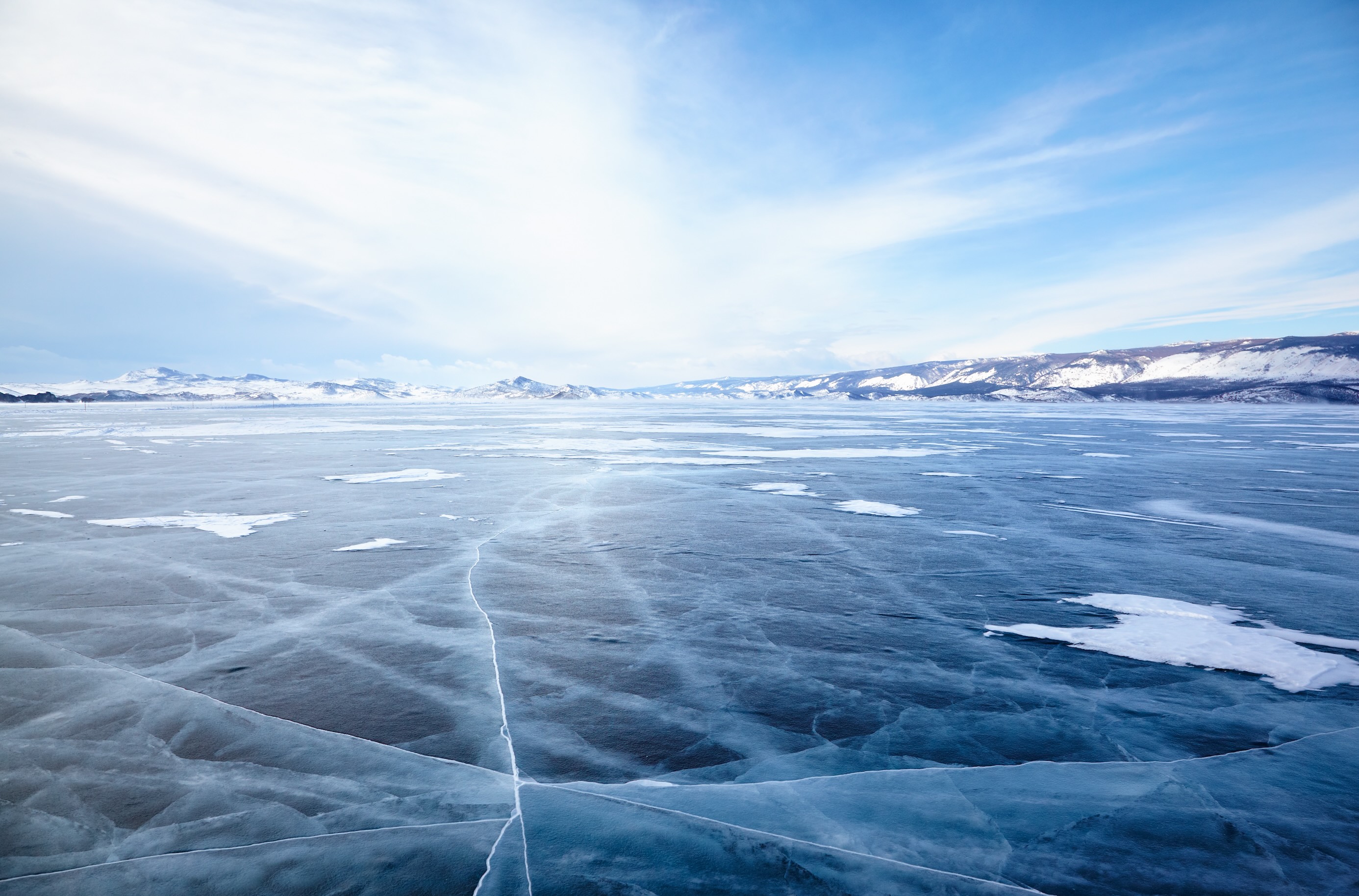
There is less and less carbon dioxide in the atmosphere, so the greenhouse effect is diminishing. This means that the atmosphere is retaining less heat than before. Little by little, I can see ice covering the world...

The whiter the planet becomes, the more it reflects the Sun's light... So it absorbs even less heat: it's a real ‘snowball’ effect!

I find myself above an icy Earth, even at the equator, which is usually one of the hottest zones. This is just the first episode of Snowball Earth, there will be more to come...

Brrr, at the moment it's far too cold to get out of my shuttle!

Comment le sait-on ?

Geologists have found sediments indicating the presence of glaciers at that time in Canada and even in Australia and South Africa!

Icône ampoule

Temperatures might have plummeted to minus 50°C on average across the globe!


How does Earth defrost?

During the snowball Earth episode, volcanoes keep emitting carbon dioxide into the air... Gradually, the gas accumulates and the greenhouse effect increases. As the ice melts, oceans absorb even more energy, causing temperatures to skyrocket: up to 50 degrees Celsius!

Photo de Sam pour l'événement The mysterious origin of eukaryotes

The mysterious origin of eukaryotes

More complex living beings appeared: eukaryotes. Shuttle? Camera in super-zoom mode, please! I'm going to take a look at these new cells.

Eukaryotic cells contain small compartments with well-defined functions. For example, eukaryotes have mitochondria!

Mitochondria are ancient bacteria that have become small factories living inside eukaryotic cells. They enable eukaryotes to breathe oxygen. It's a fantastic source of energy for movement, predation and reproduction!

Some eukaryotes even become multi-cellular. They now have several cells that divide the work between them. I see eukaryotic lineages that I know well appear: algae, plants and fungi!

Comment le sait-on ?

To understand how eukaryotes like plants work, we first look at them with the naked eye and then under the microscope!

Icône ampoule

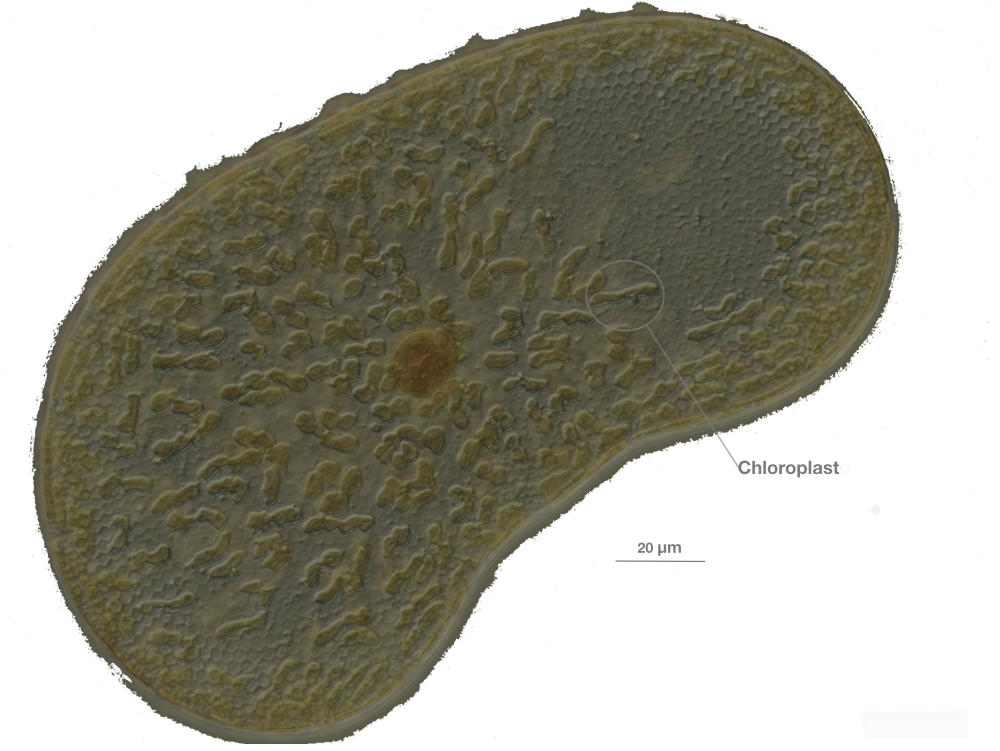
Light captured by the chloroplasts, compartments of the cell, gives algae and plants enough energy to live!


The chloroplast, an ancient independent living being?

Like cyanobacteria, their distant predecessors, the chloroplasts of plants and algae are capable of oxygen photosynthesis. These compartments in their cells are essential to their functioning! The chloroplast is fed by light, carbon dioxide and water. And above all, it has its own genome! A genome that closely resembles that of a cyanobacterium, only smaller...

Initially, ancient eukaryotic cells feeding on organic matter absorbed a cyanobacterium and lived in symbiosis with it. Little by little, the cyanobacteria became chloroplasts. Photosynthesis in plants and algae therefore takes place in an ancient bacterium!

Photo de Sam pour l'événement The unusual Cambrian marine fauna

The unusual Cambrian marine fauna

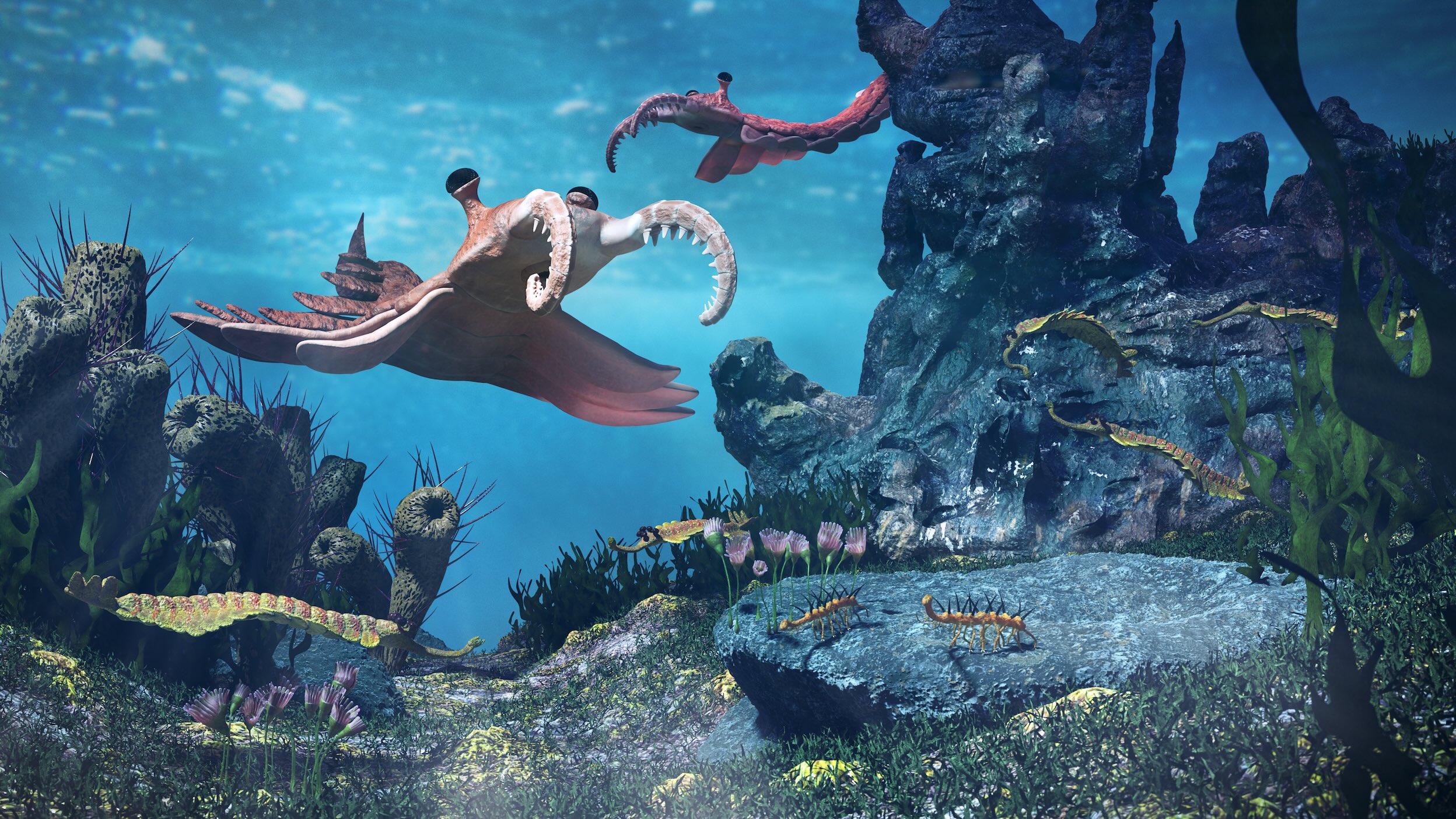
Shuttle... I’m initiating a water landing! I'm in a period called the Cambrian. To discover the wildlife that currently inhabits Earth, I'm going to have to dive into the water. Activating amphibious mode...

Here are a few species reconstructed from fossils. In the centre of the image, I can see Anomalocaris, a predatory arthropod with recognisable visual organs. I can also see an animal with a soft segmented body and a proboscis: it's Opabinia!

Hallucigenia, on the other hand, is covered in spikes and moves along the seabed.

Palaeontologists initially misinterpreted the Hallucigenia fossil: they mistook its legs for tentacles and its spines for legs. In the end, they ‘turned’ it upside down!

Comment le sait-on ?

To reconstruct past species, palaeontologists decipher the fossils they left behind. It enables them to retrace the history of animals with skeletons. Soft animals, on the other hand, have left very few traces...

Icône ampoule

Despite their intriguing body shapes, Cambrian animals are close cousins of almost all current marine species!


What story do fossils tell us?

Palaeontologists have found animal fossils dating from the Cambrian period in Canada, Australia, Greenland and China. They have reconstructed between 150 and 200 species from these fragments. There was undoubtedly already a diversity of animals without skeletons but they left very few fossil traces. The variety of animal forms found has led some specialists to argue that animal biodiversity was richer then than it is today!

Photo de Sam pour l'événement Vertebrates walked on Earth!

Vertebrates walked on Earth!

Shuttle, I don't need you as a submarine anymore! Take me ashore: I can finally have some company!

Amphibians took their first steps here 397 million years ago. They lived in largely aquatic environments such as tidal flats and lagoons, reproducing in the water and keeping their skin moist.

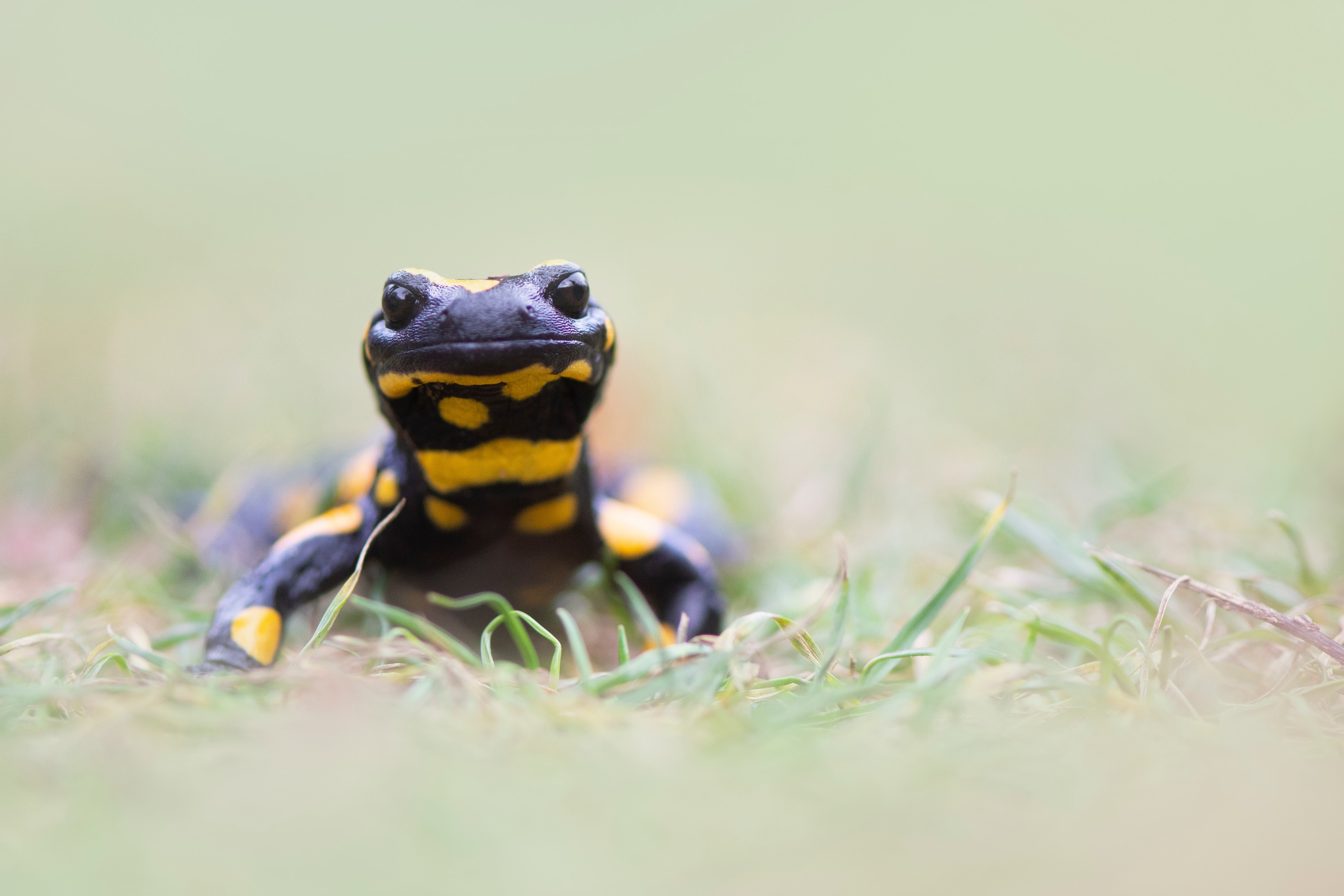
20 million years later, I find myself in the midst of some sort of large ‘salamanders’ with huge heads! Their names are Acanthostega and Ichthyostega and they have a tail-like caudal fin. They are the first amphibians to breathe air through their nose!

Comment le sait-on ?

Palaeontologists have found the oldest evidence of amphibians, the first four-legged land animals, in Poland. These are not fossils, but footprints left in the mud, revealing their toed feet!

Icône ampoule

The animals did not really ‘come out of the water’, but rather the water sometimes left them in the open air, forcing them to adapt to the terrestrial environment.


Who populated the continents before vertebrates?

Micro-organisms were the first to colonise Earth's surface. Plants and fungi then took root on the continents 410 million years ago, followed by arthropods such as millipedes and spiders.

Photo de Sam pour l'événement Meteorite! Take cover!

Meteorite! Take cover!

I landed 66 million years ago, what a mistake! I wanted to get away from the crater that formed at Chicxulub, Mexico, as quickly as possible... But I couldn't pilot my shuttle: the impact spewed out so much dust that the atmosphere turned dark. And it’s going to last for ten years or so!

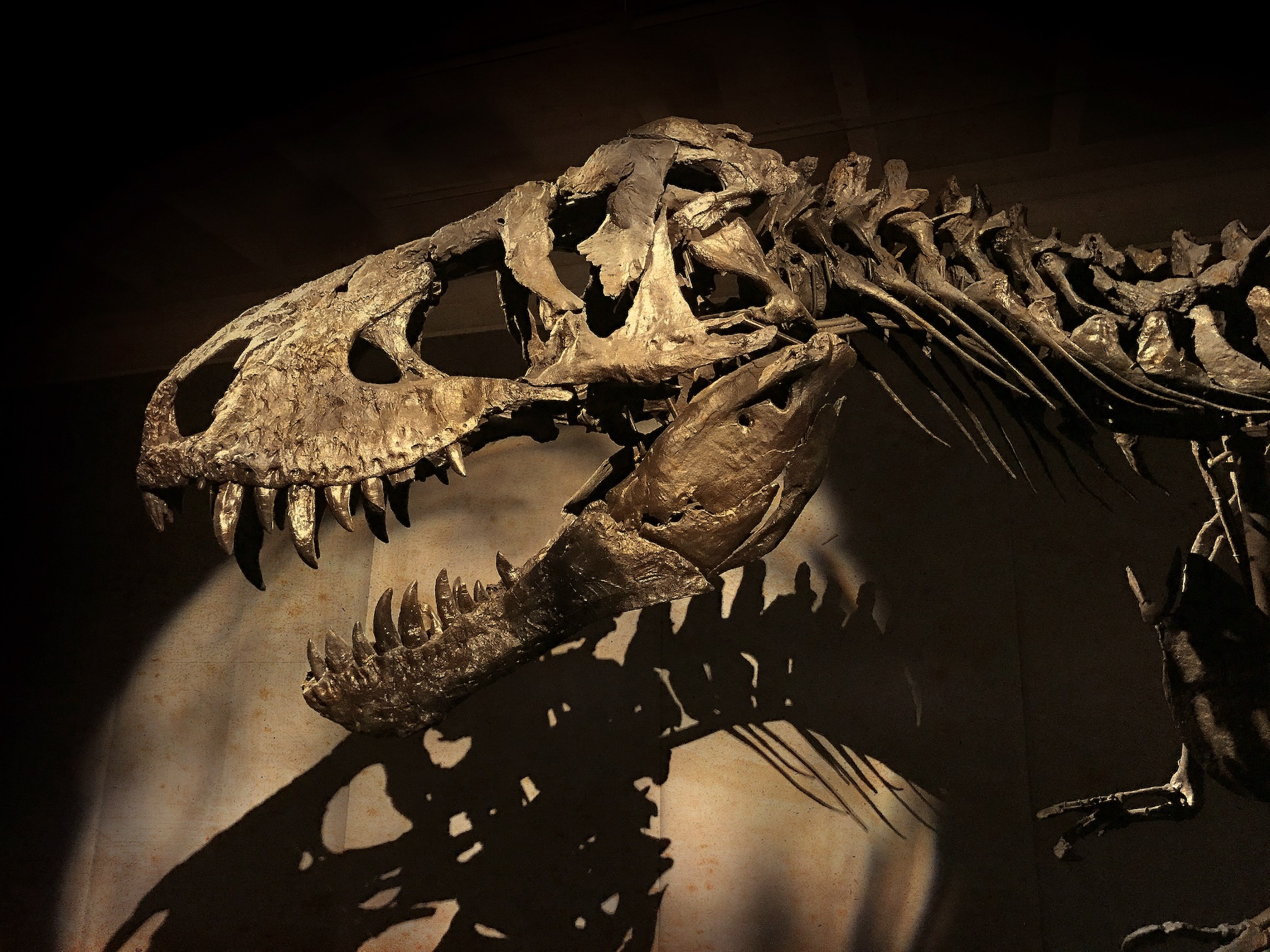
Plants have no light, herbivores have no plants to eat, it's cold... The whole food chain is collapsing. I’m witnessing the fifth great mass extinction in Earth’s history! The dinosaurs were almost all wiped out, except for birds who were partially spared. Micro-organisms were certainly much less affected.

Fortunately, life doesn't stop there: many animals such as mammals and birds will take advantage of the situation to increase in size. All I have to do now is wait, safe in my shuttle...

Comment le sait-on ?

The meteorite left its signature all over the planet: the sediment deposits that formed during the impact are exceptionally rich in iridium! This metal, absent from Earth's crust, only comes from meteorites. The iridium-rich rock stratum linked to this period by geologists can be seen on the French Basque coast, particularly in Bidart.

Icône ampoule

It took much less than 10,000 years - 1 centimetre of your trail - for most large animal and plant species to disappear!


Any regular meteorite impacts?

The term ‘meteorite’ refers to any solid extraterrestrial object reaching Earth's surface. While meteorite impacts such as the one that hit Chicxulub are very rare, the arrival of much smaller meteorites is very frequent. Over the course of a year, the flow of micrometeorites - fragments less than a millimetre in size - amounts to more than 5,000 tonnes!

More massive meteorites, on the other hand, account for around ten tonnes a year. To prevent the risks, NASA is monitoring near-Earth objects that could potentially cross Earth's orbit with the NEO Surveyor mission. For objects between 30 and 139 metres in size, the probability of impact is around 1 every 100 years. For objects larger than a kilometre, the frequency of impact is counted in millions of years, so there's little risk of suffering the same fate as the dinosaurs!

Everyone living in France can take part in monitoring meteorites by joining the Vigie-Ciel participatory science programme: VIGIE-CIEL

Photo de Sam pour l'événement Humans roam the Earth!

Humans roam the Earth!

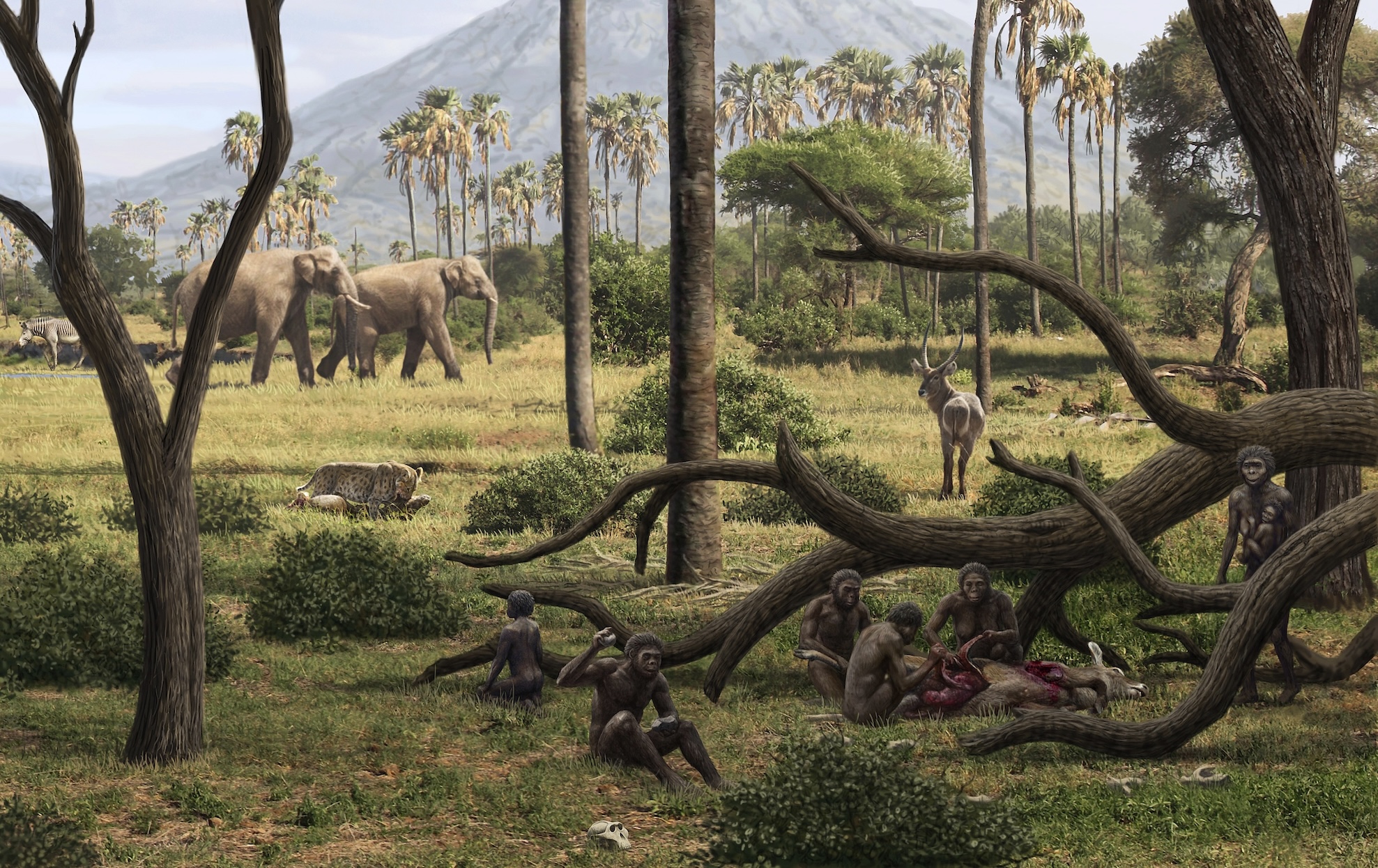
2.5 million years ago, I saw your kind appear! Or almost... Homo habilis is a species that belongs to the human genus, but is not entirely bipedal. In other words, Homo habilis does not always stand upright and still uses quadrupedalism to climb trees.

1.8 million years ago, humans became completely bipedal and left Africa! Europe was then occupied by Homo neanderthalensis, eastern Asia by Homo denisovensis, and on the island of Flores in Indonesia, a dwarf species developed: Homo floresiensis.

A long time later, 300,000 years ago, Homo sapiens appeared: this is your human species, arriving just three centimetres from our finishing line!

Comment le sait-on ?

The fossil bones of Homo specimens allow us to reconstruct the morphology of the different human species and provide clues to their way of life.

Icône ampoule

Homo sapiens is the last surviving species of the Homo genus.


Hybridisation between human species?

The genome of today's Eurasians is derived from 1.5% to 4% of that of Neanderthal man: this is evidence of proven hybridisation between Homo sapiens and Homo neanderthalensis.

Yet, according to one of the criteria used to define species, two different species should not be able to produce hybrid lines! This reflects the difficulty of applying this definition of species to very closely related groups such as Homo sapiens and Homo neanderthalensis. These two Homo should be conventionally united under the same name...

Similarly, genes shared with ancient Homo denisovensis have been found in Oceanian populations, while they are absent in other current populations.

Image de Sam pour l'événement Outro

Now I'm off to explore the future...

It remains very mysterious to scientists today!

I'm counting on you to look after Earth's biodiversity.

What do you think I'll discover in the future? 

Write me...

300 years

Voyager 1 will reach the Oort cloud, a large reservoir of comets located beyond the orbit of Neptune

50,000 years

There will be another ice age

100,000 years

The current constellations will no longer be recognisable

30 million years

Mars' satellite Phobos will be destroyed by tidal forces and replaced by a temporary ring

50 million years

The Mediterranean will disappear and be replaced by a chain of mountains

200 million years

Days on Earth will last 25 hours

1 billion years

Earth's oceans will have evaporated and the temperature will be over 1000°C

6.3 billion years

The Sun will begin to transform into a red giant that will encompass and gradually expand Earth's orbit

7.7 billion years

The Sun’s core will become a white dwarf made of carbon and oxygen

100 billion years

The local group’s 50 galaxies, including the Milky Way, will form a single large elliptical galaxy

150 billion years

Due to the expansion of the Universe, only the stars of our supergalaxy will remain visible in the sky

100,000 billion years

The formation of new stars will have long since stopped. The smallest stars, ten times smaller than the Sun, will fade away

100 billion billion years

Galaxies will evaporate and their central regions will form galactic black holes

??? years

Black holes will evaporate into radiation, stellar remnants will turn into elementary particles and the Universe will continue to expand, ever colder and darker